







Boulder body-on-frame concept demonstrates 'stronger, not louder' approach targeting US adventure vehicle segment
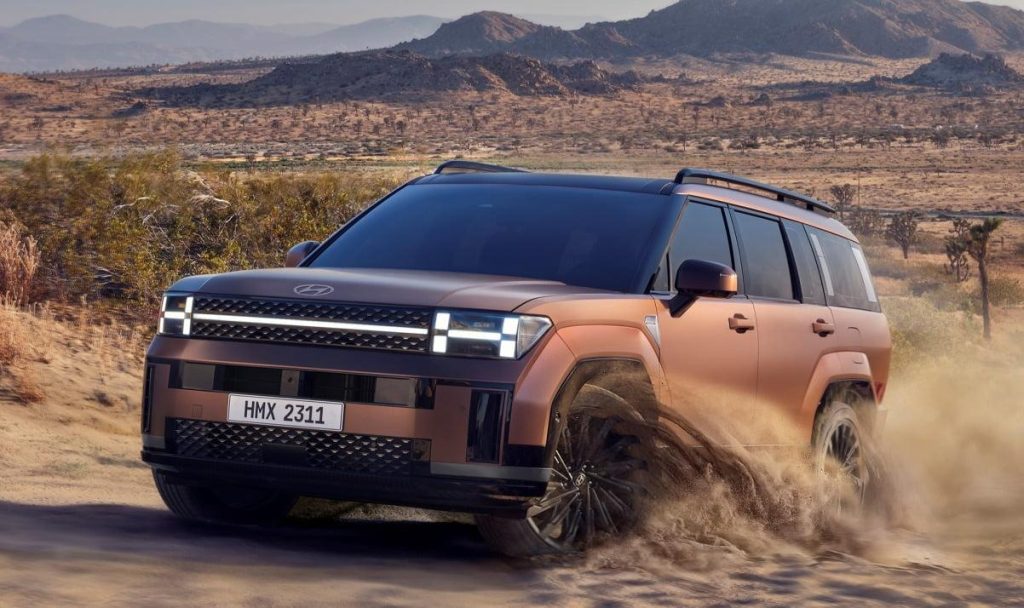
Hyundai introduced its 'Art of Steel' design philosophy at the 2026 New York International Auto Show. The Boulder concept demonstrates the approach. Body-on-frame construction. Material honesty over decoration.
The philosophy marks a shift from Hyundai's current design language, emphasising functional surfaces and production process honesty according to statements from Brad Arnold, Head of Hyundai Design North America, at the April 2026 show. Ford's recent F-150 redesign similarly stressed utility-focused aesthetics over sculptural complexity.
Design Brief Targets Adventure Segment
Arnold described the Boulder project as extending Hyundai's five-year focus on extreme terrain vehicles that began with the Santa Cruz pickup development for US markets. The design brief centred on 'stronger, not louder' principles. Functional elements drive visual identity. 'A bumper is a bumper, a tow hook is a tow hook,' Arnold explained during the show presentation, describing how the team embraced these components as primary design features rather than concealing them behind decorative panels.
Production Timeline and Platform Strategy
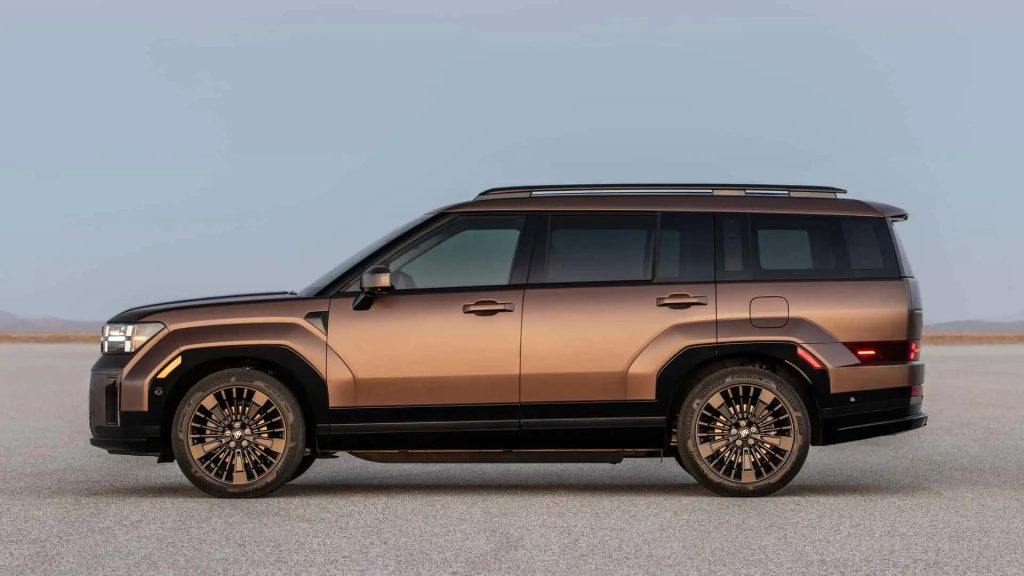
The Boulder represents one of multiple derivatives under development for the US adventure vehicle segment, according to Arnold's statements at the show. Hyundai's 'chess piece' strategy tailors designs to specific customer segments while maintaining brand recognition across models. Every concept element serves potential production applications. The company's lean development process eliminates design exercises without manufacturing pathways, Arnold confirmed when asked about production feasibility of the Boulder's sculpted taillight assemblies and integrated grab surfaces.
Material Honesty Versus Current Industry Practice
The 'Art of Steel' approach contrasts with current automotive design trends that mask structural elements behind complex surface treatments. Arnold cited production limitations in previous decades that forced simpler, more honest forms. People yearn for that simplicity. Modern manufacturing capabilities allow designers to torture materials into unnatural shapes, but Hyundai's new philosophy deliberately avoids this approach. The Boulder's rolling sections and tailgate grab areas follow rock climbing handhold ergonomics rather than conventional automotive door handle design, demonstrating functional form language over decorative styling.
Platform Implications for US Market Strategy
The body-on-frame Boulder concept signals Hyundai's entry into traditional truck architecture after years of unibody construction across its lineup. This represents a fundamental platform expansion for US markets. The 'Art of Steel' philosophy could extend beyond adventure vehicles to influence mainstream model development, particularly where material efficiency and manufacturing honesty align with cost reduction objectives. Arnold confirmed the design studio's focus on US-specific vehicle development, suggesting dedicated platform variants rather than global model adaptation.
The Boulder's dual-hinged tailgate and integrated ambient lighting systems demonstrate production-ready technology applications expected in upcoming adventure vehicle derivatives. Hyundai has not confirmed specific launch timing for body-on-frame models. Development continues across multiple US market segments. The complete Hyundai model history and specifications are catalogued in the Global Auto Index manufacturer database.
