







← Chinese Oem Europe Expansion
Three months and 4,000 miles of real-world evaluation have crystallized the Omoda 9’s position in the competitive premium SUV landscape: a compelling value alternative to established German marques that trades dynamic refinement for comprehensive equipment and significant cost savings. At £45,740, this Chinese-built hybrid SUV undercuts comparable offerings from Audi and BMW by approximately £8,000 while delivering features typically reserved for top-specification variants, yet reveals fundamental chassis compromises that highlight the challenges facing emerging brands as they attempt to crack established premium segments.
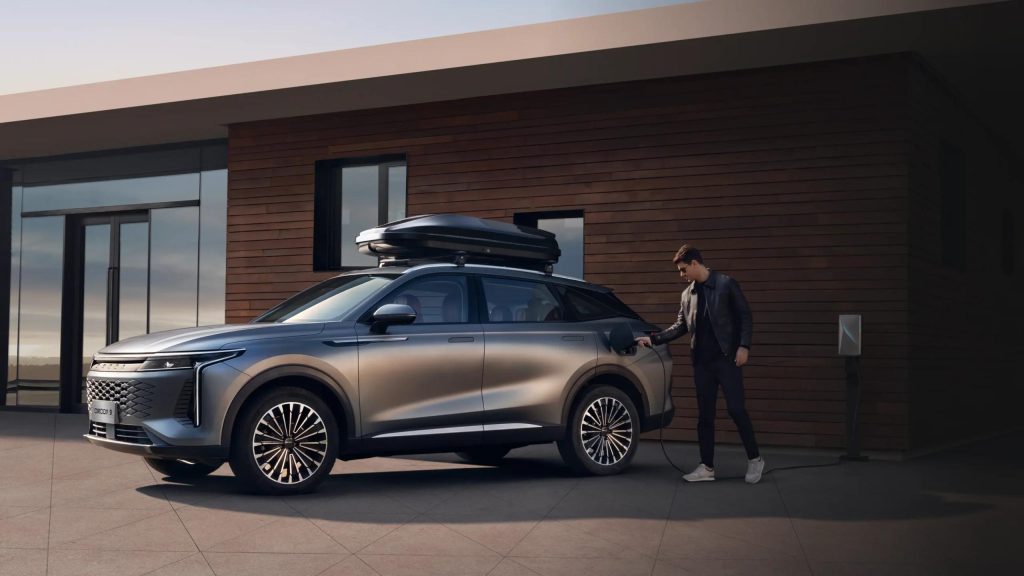
Performance Architecture and Powertrain Analysis
The Omoda 9 leverages a plug-in hybrid powertrain generating 449 horsepower, enabling acceleration performance that places it among genuinely quick SUVs. Independent testing confirms a standing quarter-mile time of 13.7 seconds, demonstrating the effectiveness of combining electric motor torque with internal combustion power. The hybrid system operates as a conventional hybrid when the battery depletes, maintaining efficiency around urban environments through electric-only operation at low speeds. Real-world fuel economy averages approximately 40 mpg despite the substantial power output and vehicle mass, indicating competent energy management programming. However, the powertrain’s impressive output numbers cannot mask underlying chassis deficiencies that become apparent during extended ownership periods, particularly regarding suspension calibration and steering feedback characteristics. — Chinese brands gaining market traction.
Market Positioning Against Established Competition
Omoda’s aggressive pricing strategy positions the 9 as a direct challenger to the Audi Q5 and BMW X3, yet with substantially more standard equipment. The single Noble trim specification eliminates option complexity while including heated and ventilated seating for all occupants, panoramic glass roof, self-parking capability, and a 14-speaker Sony audio system as standard fitment. This comprehensive equipment level would typically require thousands in additional expenditure on German alternatives, representing Omoda’s primary competitive advantage. However, the brand faces the classic emerging manufacturer challenge of establishing service networks and residual values in mature markets. The interior execution reportedly matches or exceeds Mercedes-Benz GLC standards, suggesting serious attention to materials quality and assembly precision. This equipment-rich approach mirrors strategies employed by Genesis and other premium-aspiring brands seeking to establish credibility through value proposition rather than heritage alone.
Technical Systems and User Experience Assessment
Extended ownership reveals significant inconsistencies in technical execution across different vehicle systems. The surround-view camera system demonstrates high-definition clarity and effective low-light performance, including undercarriage visibility for off-road applications. The Sony audio system delivers clarity and bass response competing with established German premium brands. However, infotainment system responsiveness proves problematic, with delayed screen response and buried menu structures complicating routine functions like heated seat activation. The adaptive cruise control system exhibits poor road marking recognition and unpredictable intervention patterns, reducing driver confidence and practical usability. Driver assistance systems demonstrate over-sensitivity in distraction monitoring, creating counterproductive interruptions during normal driving situations. These inconsistencies suggest uneven development priorities, with some systems receiving adequate engineering resources while others appear under-developed for premium market expectations. — established German performance offerings.
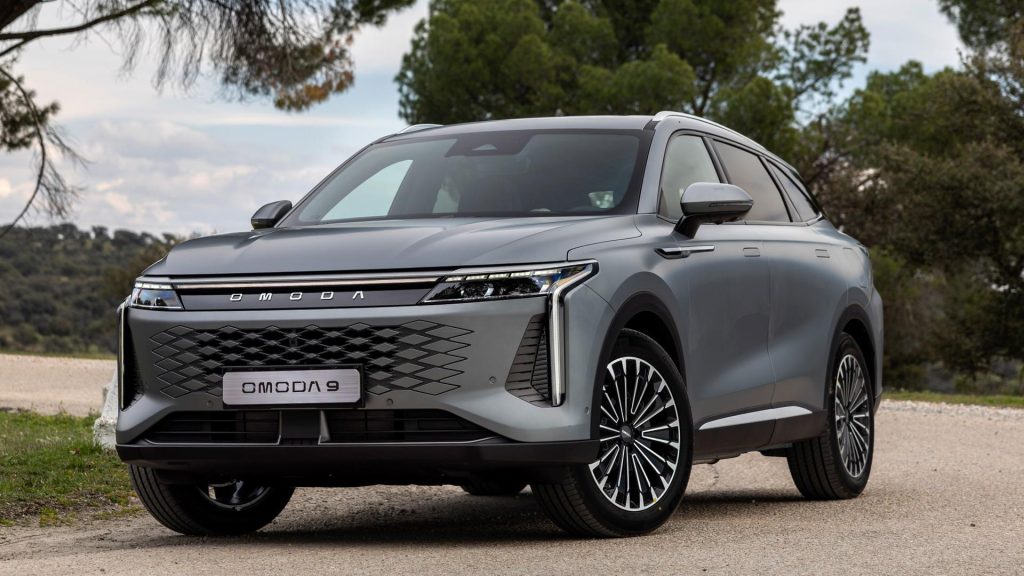
Dynamic Performance and Chassis Limitations
The Omoda 9’s chassis tuning represents its most significant competitive weakness, exhibiting simultaneous jittery and unsettled characteristics that compromise ride quality and handling precision. The suspension system struggles with impact absorption over sharp surface irregularities while displaying excessive body roll during cornering maneuvers. Steering calibration lacks feedback and precision, failing to inspire driver confidence during dynamic situations. These characteristics become particularly apparent when compared against established competitors like the Volkswagen Tiguan, which demonstrates superior chassis integration despite potentially lower equipment levels. The combination of substantial power output with compromised chassis dynamics creates an unbalanced driving experience that undermines the vehicle’s premium aspirations. Motorway composure proves more acceptable, suggesting the suspension tuning favors highway comfort over overall versatility. These limitations highlight the engineering challenges facing manufacturers attempting to compete in segments where dynamic excellence remains a fundamental expectation among discerning buyers. — safety testing performance.
The Omoda 9 exemplifies both the opportunities and obstacles confronting Chinese automotive brands as they pursue premium market credibility in established Western markets. While impressive value proposition and comprehensive equipment specifications demonstrate serious manufacturing capability, fundamental dynamic shortcomings reveal the complexity of matching established competitors across all performance criteria. Success in this segment ultimately depends on whether buyers prioritize equipment value over driving refinement, making the Omoda 9 a fascinating case study in emerging brand positioning strategies. The complete Omoda model history and specifications are catalogued in the Global Auto Index manufacturer database.
Based on reporting from Carwow. Original headline: “Pros and cons of the Omoda 9: my honest review after three months”
