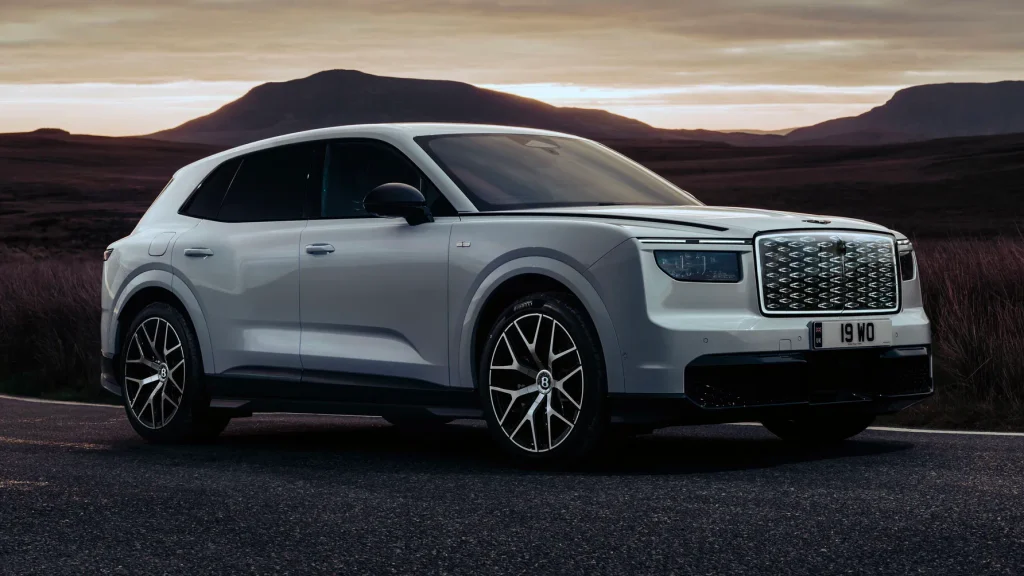
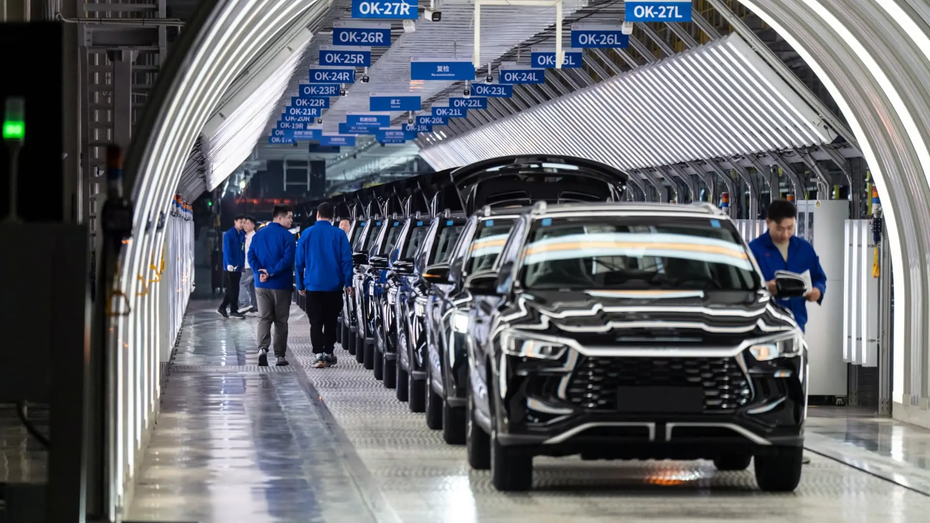
BYD and Chery group are also named as brands that would face price rises under the proposed measures.
MG said it plainly. Extra UK tariffs on Chinese-built cars are a tax on private sales. The warning came as London faces reported pressure from Brussels to align with EU import duties — or risk losing preferential access for UK-built vehicles to European incentive schemes. The stakes are real.
The EU imposed additional tariffs on Chinese-built battery electric vehicles in October 2024, with rates reaching 35.3 percent on SAIC — MG's parent — compared with 17 percent on BYD and 18.8 percent on Geely, according to the European Commission's anti-subsidy investigation, published November 2024. The UK currently charges 6.7 percent on Chinese car imports. Closing that gap would directly affect the three brands — MG, BYD, and the Chery group — that together account for the largest share of Chinese-origin volume in the UK market.
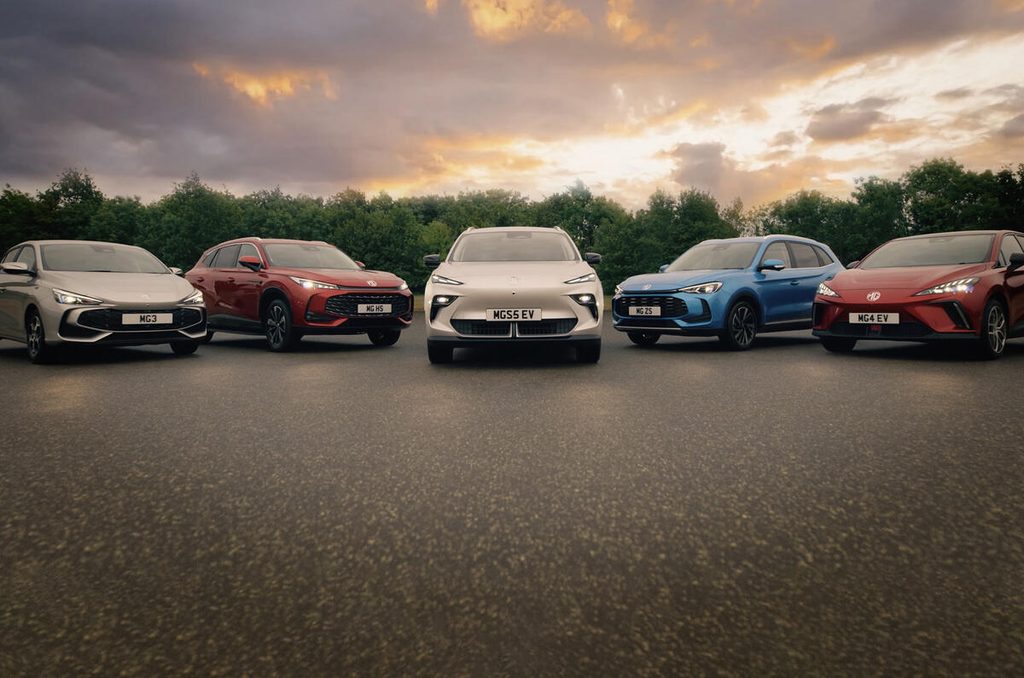
MG Makes Its Position Explicit
MG's UK operation did not soften its language. Spokespeople described any move to mirror EU tariff levels as 'draconian', a word that appeared in public-facing communications circulated in early 2025. The company argued that demand for affordable electrified cars is rising precisely because prices have come down — and that tariffs would reverse that trend. MG sells the MG4 Electric from under £27,000 in standard trim, a price point it says it cannot hold if import costs jump. The car is built at SAIC's Zhengzhou plant in Henan province, China. All UK-market MG4 units travel that supply chain. There is no European or British production fallback. That is the structural fact behind the political argument. For background on the wider reshaping of import trade flows affecting multiple brands simultaneously, see our coverage of the industry restructuring in 2026.
The Tariff Gap Between the UK and EU
The arithmetic matters here. The EU's additional duty on SAIC-built vehicles sits at 35.3 percent, layered on top of the standard 10 percent MFN rate — making the combined ceiling 45.3 percent. The UK standard rate is 6.7 percent. The gap between those two regimes: 38.6 percentage points on the headline figure, or 28.6 points on the additional-only comparison. On a £27,000 car, a 35-point tariff increase would add approximately £9,450 to the landed cost before dealer margin or VAT adjustment. Even a partial alignment — say, an additional 20 points — would add roughly £5,400 to that same vehicle. MG has not published its exact margin structure, but no volume brand absorbs five-figure per-unit cost increases without passing them to the buyer. BYD's Atto 3 lists from £36,490 in the UK. A 20-point tariff addition would push the landed arithmetic toward £43,700 before retail markup. Calculation: £36,490 × 0.20 = £7,298 additional tariff exposure per unit.
The 'Draconian' Word and What It Signals
The choice of language was deliberate. MG's public position, as reported in Autocar Business in early 2025, described potential tariff alignment as creating 'a tax on private sales'. That eight-word phrase is doing specific work: it frames the measure not as industrial protection but as consumer harm. It is the argument most likely to land with a UK government already sensitive to cost-of-living criticism. The framing also distances the debate from the subsidy question entirely — MG is not disputing whether Chinese EV production receives state support. It is arguing that British car buyers should not be made to fund a trade negotiation with Brussels. Whether that argument moves the Treasury is another matter. The Department for Business and Trade had not published a formal tariff review position as of the time of writing, according to its published consultation register, March 2025.
The Access Deal That Creates the Pressure
Here is what does not sit neatly. The reported deal structure places the UK in an awkward position: adopt tariffs on Chinese EVs, and UK-built cars qualify for EU incentive schemes designed to protect European production. Reject the tariffs, and UK-built cars may be locked out. That logic works for Jaguar Land Rover, which builds in Castle Bromwich and Solihull. It does not work for MG, which builds nothing in the UK. So the same government decision that might help one domestic producer would directly penalise another brand that has invested in UK retail, employs British sales and service staff, and pays UK corporation tax — but happens to manufacture abroad. No government spokesperson had addressed that specific asymmetry publicly as of March 2025, according to the Department for Business and Trade's published statements index. The silence is the story.
What Happens to BYD and Chery If Tariffs Land
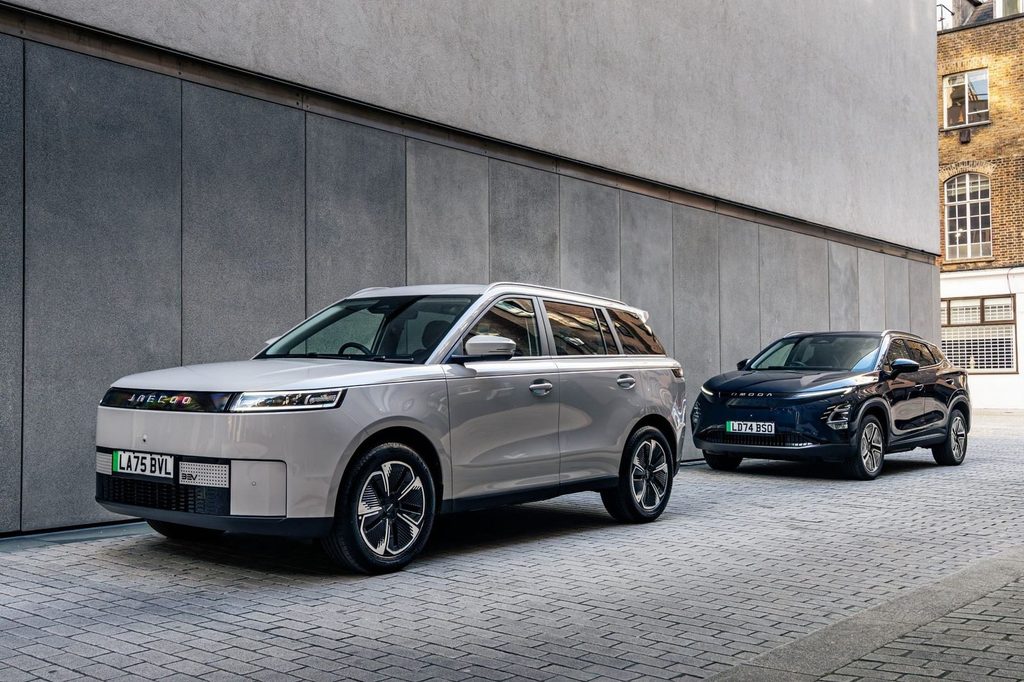
BYD UK launched its retail network in 2023 and had signed agreements with over 30 dealer partners by the end of that year, according to BYD Europe's press office release dated December 2023. Its full lineup — Atto 3, Seal, and Dolphin — is built in China. Chery's UK presence operates primarily through the Omoda and Jaecoo brands, both of which entered the market in 2024. None of these vehicles have European or British manufacturing alternatives in the near term. Tariff-driven price increases would land unevenly: BYD's Seal, priced from £44,990, sits in a segment where German and Korean competitors already price aggressively. A forced £8,000–£9,000 cost increase — using the 20-point addition as a working figure — would effectively remove the Seal's price argument against the Volkswagen ID.7 and Hyundai Ioniq 6. For Chery's Omoda 5 EV, listed from £32,995, the competitive damage would be comparable.
The UK collected approximately £180 million in vehicle import duties in the 2022–23 fiscal year, according to HMRC's UK Trade Tariff statistics published February 2024 — a figure that predates any volume ramp from Chinese EV brands. Chinese-origin cars represented under 5 percent of UK new car registrations in 2023. That share rose to above 7 percent in 2024. The margin is thin, but the direction is not. The complete MG model history and specifications are catalogued in the Global Auto Index manufacturer database.
