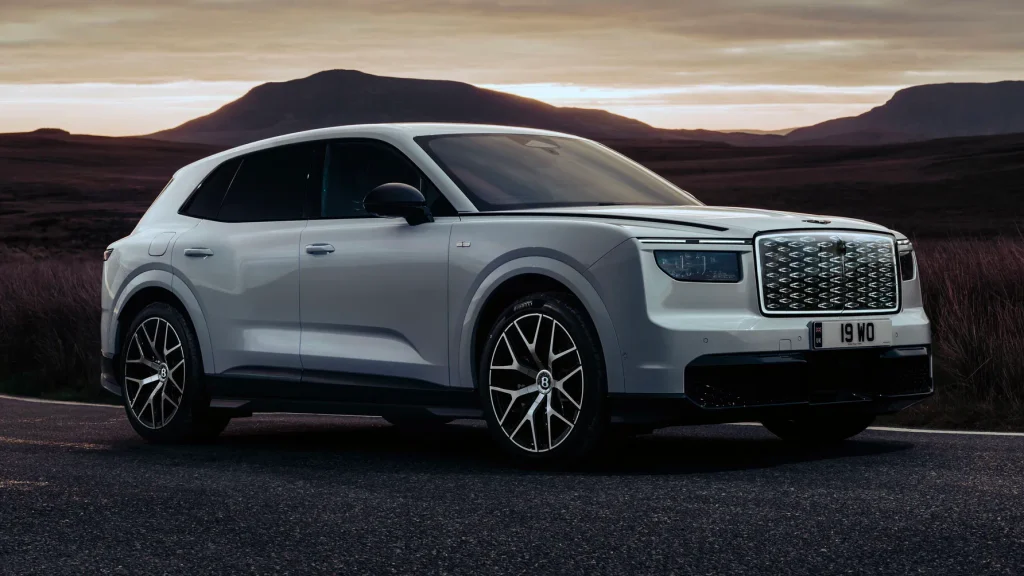
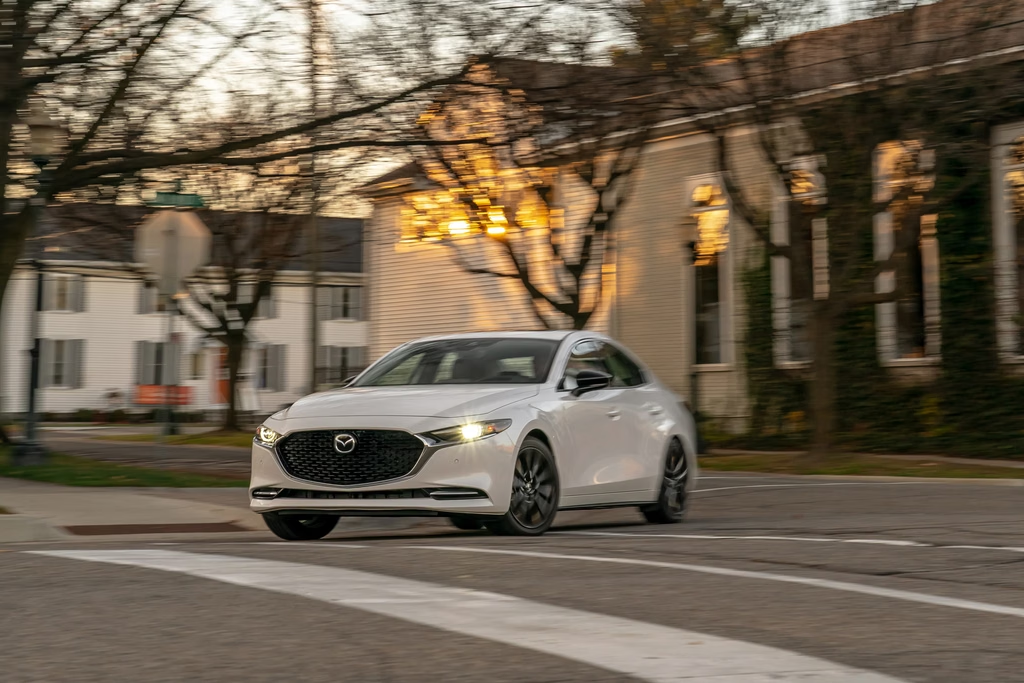
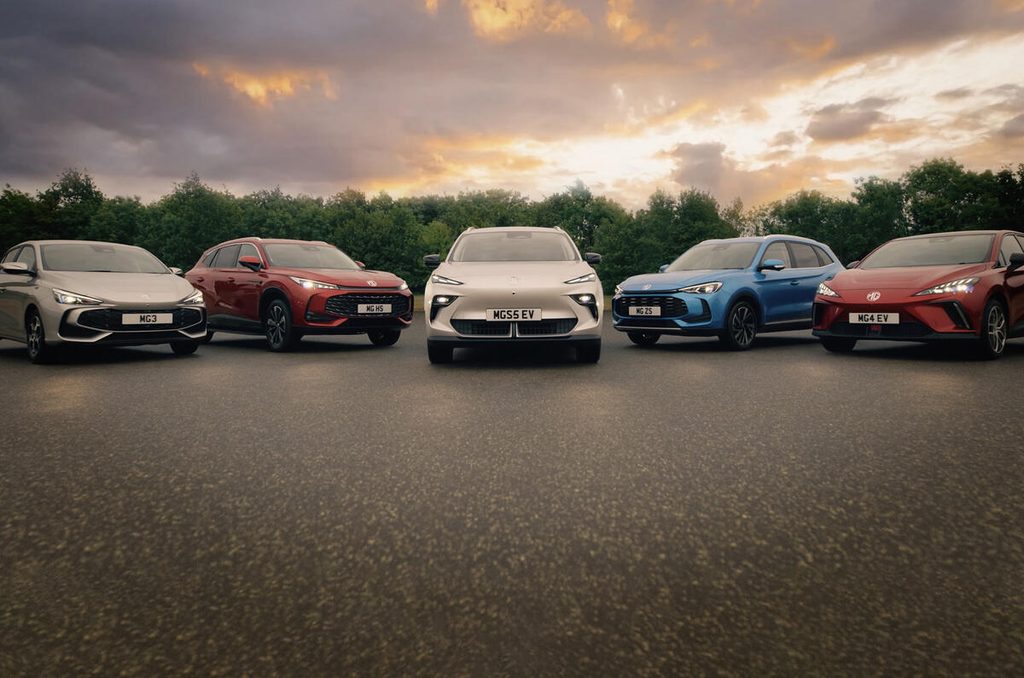
Brussels has reportedly told London to levy import duties or lose 'Made in Europe' supply-chain benefits under a proposed industrial act.
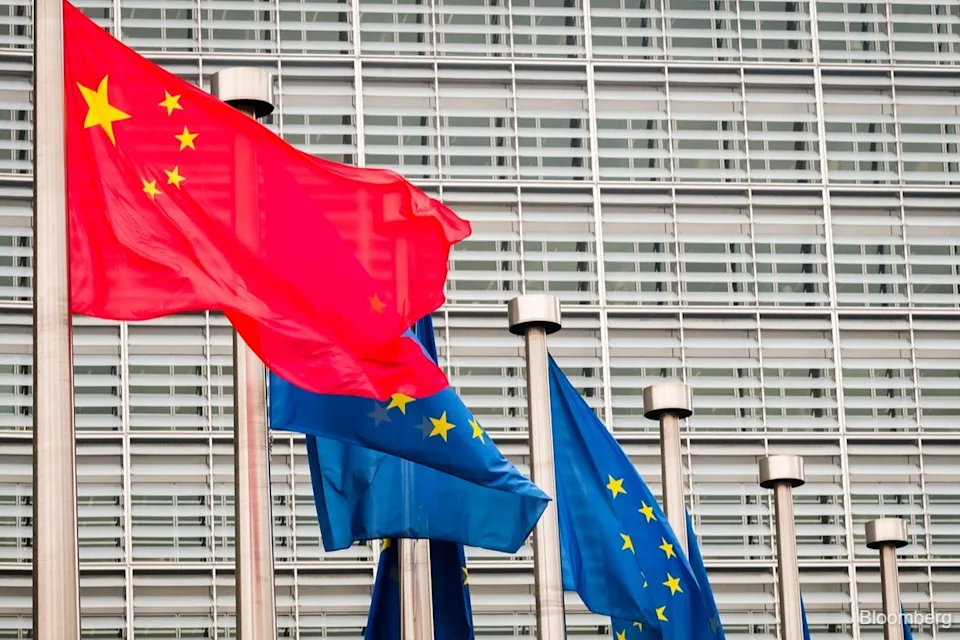
Beijing is watching London closely. China has warned the UK that copying EU tariff measures on Chinese vehicle imports will trigger retaliation. The threat lands as Brussels reportedly issues an ultimatum: match our duties or forfeit preferential 'Made in Europe' status under proposed EU legislation. Two trade blocs. One British decision.
The standoff puts the UK in a position its post-Brexit trade architects did not publicly anticipate — squeezed between a continental partner demanding tariff alignment and a major manufacturing power threatening countermeasures. The EU's proposed Industrial Accelerator Act, as reported in May 2025, would tie 'Made in Europe' supply-chain benefits to participating countries adopting equivalent import controls on Chinese vehicles, mirroring the bloc's own tariff schedule introduced in mid-2024.
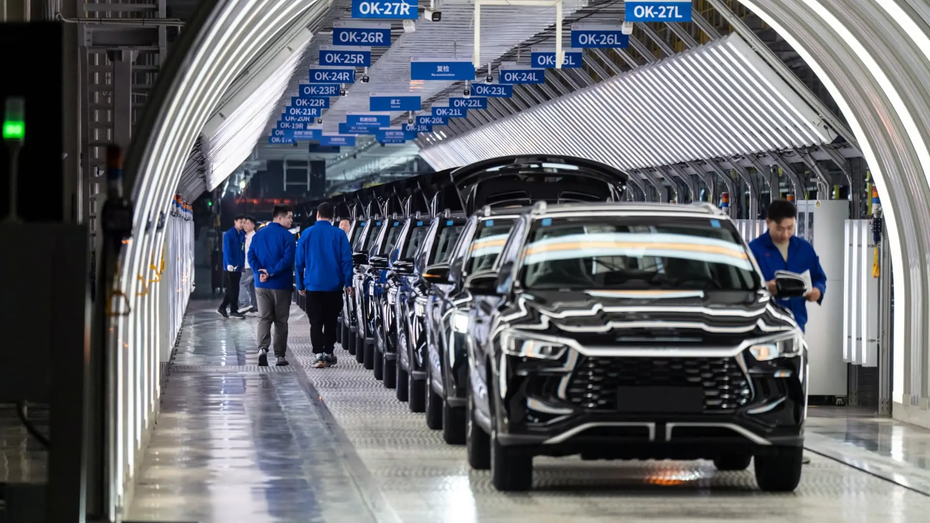
How the Ultimatum Took Shape
Brussels did not issue its demand quietly. According to reporting by Autocar Business, published May 2025, EU officials communicated to their UK counterparts that access to 'Made in Europe' designation benefits — which affect component sourcing credits and export recognition across the bloc — would be conditional on the UK adopting comparable tariffs on Chinese car imports. The EU moved first on those tariffs in mid-2024, adding duties of up to 45.3 percent on top of the standard 10 percent rate for selected Chinese-made electric vehicles, following an anti-subsidy investigation. London declined to follow at that point. Brussels, it appears, has now run out of patience. This industry restructuring pressure in 2026 reflects a broader continental effort to close what EU trade officials describe as regulatory arbitrage gaps — routes through which tariff-exempt goods could enter the single market via a non-aligned third country.
The Tariff Numbers Behind the Pressure
The EU's existing EV tariff structure gives some sense of what the UK would be asked to match. The baseline most-favoured-nation duty on passenger cars entering the EU sits at 10 percent. Following the 2024 anti-subsidy investigation, the European Commission applied additional countervailing duties: BYD attracted an extra 17.0 percent, Geely an extra 18.8 percent, and SAIC an extra 35.3 percent — producing effective rates of 27.0, 28.8, and 45.3 percent respectively. Other Chinese producers subject to the investigation received a weighted average additional duty of 21.0 percent, for a combined rate of 31.0 percent. If the UK were to replicate even the lower band — 27 percent total — on Chinese EVs currently entering under the UK Global Tariff rate of 6.5 percent for most passenger cars, the jump would be 20.5 percentage points: 27.0 minus 6.5 equals 20.5 pp. That is the gap Beijing is watching. Chinese vehicle exports to the UK ran to approximately 75,000 units in 2023, according to Society of Motor Manufacturers and Traders data; a tariff of that magnitude would materially reprice the entire category.
Beijing's Countermeasure Warning
China's position, relayed through official trade channels and reported by Autocar Business in May 2025, is unambiguous. Beijing indicated it would respond with "countermeasures" should the UK introduce tariffs mirroring the EU schedule — language that in prior disputes has encompassed retaliatory duties on agricultural goods, spirits, and automotive components exported from the target country. The word choice matters. "Countermeasures" is the same term China used when the EU tariffs were confirmed last October, and it preceded formal World Trade Organization dispute filings. For the UK, the exposure is real: British automotive exports to China totalled around £1.4 billion in 2023, according to the Society of Motor Manufacturers and Traders' Annual Review 2024. Jaguar Land Rover, still the UK's largest single automotive exporter by value, sells a material share of its global volume in the Chinese market. Any Chinese retaliatory measure targeting luxury or performance vehicles would land hardest there.
The Logic Gap in Brussels' Demand
There is something that does not quite add up in the EU's position. The bloc spent two years insisting that its anti-subsidy investigation into Chinese EVs was a rules-based, WTO-compliant process — not political coordination with third countries. Conditioning 'Made in Europe' benefits on the UK adopting equivalent tariffs cuts against that framing entirely. It is, in effect, an invitation to join a tariff bloc, which is precisely the kind of coordinated trade action that WTO rules on anti-circumvention are designed to govern, not replace. Neither the European Commission nor the UK's Department for Business and Trade has published a formal legal opinion on whether the Industrial Accelerator Act's proposed conditionality is WTO-consistent. That opinion has not been released — or, if prepared, has not been made public as of the time of this article. Meanwhile, the UK signed a post-Brexit trade continuity agreement premised partly on independent tariff-setting. What London does next will test whether that independence was ever more than theoretical.
What Each Choice Costs UK Carmakers
Stellantis UK, which operates the Vauxhall Ellesmere Port plant, and BMW Group's MINI production site at Cowley, Oxford, both depend on EU market access for a significant share of their output. Ellesmere Port's entire production — the all-electric Vauxhall Astra Electric and its Opel-badged equivalent — is exported predominantly into the EU. Losing 'Made in Europe' recognition, or facing friction at the border that competitors within the EU do not encounter, would disadvantage those plants on cost and delivery timelines. Matching EU tariffs on Chinese vehicles, on the other hand, provokes Beijing and risks retaliatory action against Jaguar Land Rover's China sales, which in recent years have accounted for between 20 and 25 percent of the brand's global retail volume. There is no clean exit from this triangle. The UK government has not confirmed which path it will take, and no timeline for a decision has been published by the Department for Business and Trade as of May 2025.
The UK last conducted a formal review of its automotive import tariff schedule in 2021, when it established the UK Global Tariff post-Brexit. That review did not anticipate a scenario in which the EU would make tariff alignment a condition of industrial co-operation. A further scheduled review was due in 2025; its conclusions have not been published. The complete China automotive trade policy history and manufacturer specifications are catalogued in the Global Auto Index manufacturer database.
