



The GT63 variant charges at 710 kW, adding 280 miles of WLTP range in ten minutes flat.
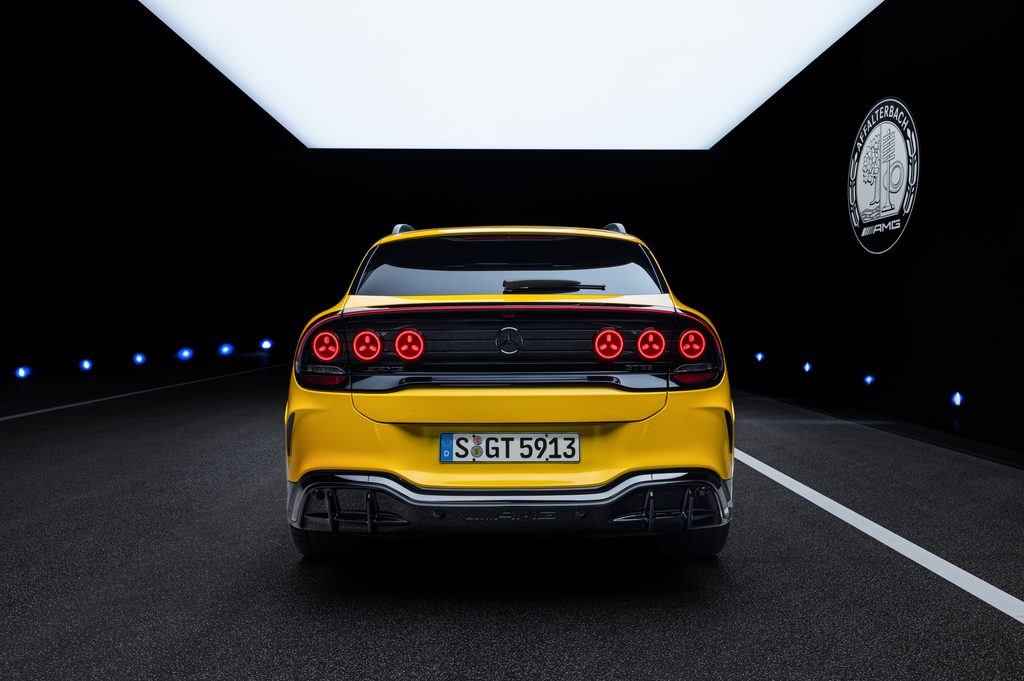
Mercedes-AMG pulled the covers off its GT SUV on October 17. Three variants. One platform. The GT63 hits 1,153 hp. That figure arrives via a three-motor layout on the brand's new AMG.EA electric performance architecture, with US dealership deliveries pencilled for summer 2027.
The GT SUV enters a thinly populated corner of the market. Porsche's Taycan Sport Turismo tops out at 938 hp in Turbo GT trim; the Lamborghini Urus SE manages 800 hp from a hybrid V8. At 1,153 hp, the GT63 clears both by a measurable margin. Mercedes-AMG confirmed the full specification at the world premiere, according to the Mercedes-AMG product announcement published October 2025.
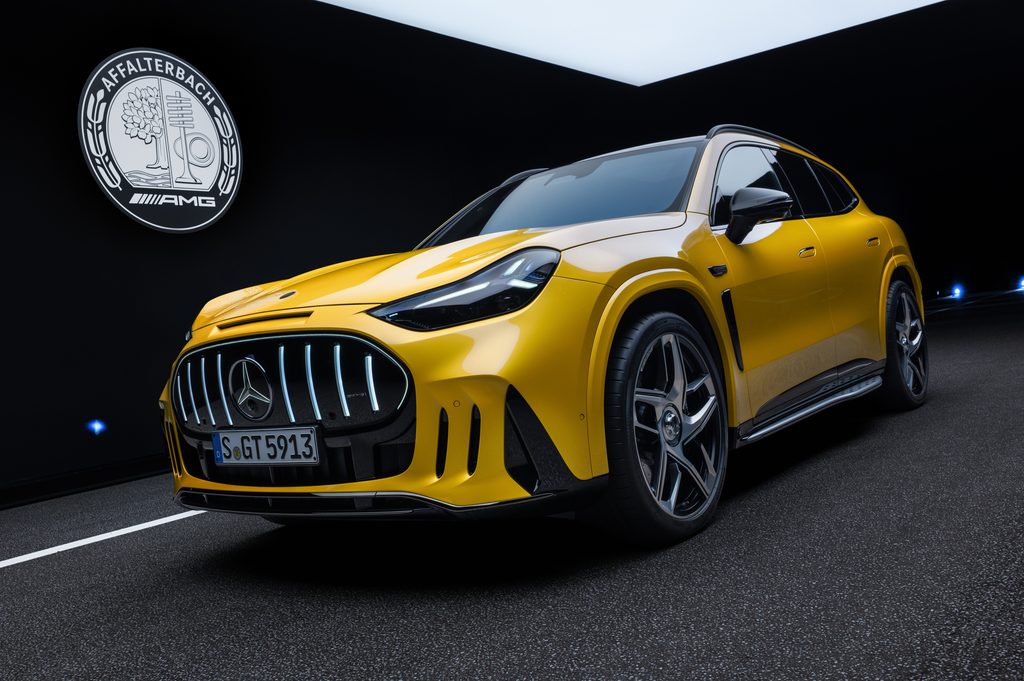
Three Trims, Three Power Bands
The GT SUV family spans a wide output range. The GT53 uses two motors — one per axle — producing 536 hp peak and 590 lb-ft of torque, reaching 60 mph in 4.1 seconds and topping out at 143 mph. Step up to the GT55 and a third motor joins the rear axle; peak output climbs to 805 hp and 1,372 lb-ft, with a 3.0-second sprint and 168 mph ceiling. The GT63 holds the same 711 hp continuous rating as the GT55 but unlocks 1,153 hp peak — a difference of 348 hp over the GT55 in boost conditions — alongside 1,475 lb-ft and a 2.6-second 0-60 time. That 1,153 hp figure represents a 215 hp advantage over the Porsche Taycan Turbo GT's 938 hp. Battery capacity splits by trim: the GT53 carries a 106.0 kWh pack; both the GT55 and GT63 receive a 128.0 kWh unit, a 22 kWh step up. All three run on an 800-volt electrical system. This positions the European high-performance electric SUV expansion at a new ceiling for production vehicles.
How the AMG.EA Platform Handles Power Distribution
Mercedes-AMG built the GT SUV on the AMG.EA electric performance platform, the same architecture underpinning the recently unveiled AMG GT 4-Door Coupe. Engineers added a front motor that deactivates during steady cruising to conserve charge, then reactivates instantly when sensors detect slip or the driver demands full torque. The GT53 takes a different path: its rear axle gains a two-speed transmission, using a shorter first gear for off-the-line acceleration and a taller second ratio for highway efficiency — a mechanical solution absent from the GT55 and GT63. All three variants carry AMG Performance 4MATIC+ all-wheel drive. The GT55 and GT63 go further, routing torque independently to each rear wheel through an electric torque-vectoring system, tightening cornering responses without mechanical limited-slip hardware. AMG Active Ride Control+ suspension — hydraulic dampers paired with adjustable air springs — handles body motion on the GT63 as standard equipment, with no conventional anti-roll bars in the layout.
Simulated Sound, Documented Intent
The decision to add synthesised engine audio to a six-figure electric SUV is not incidental. Mercedes-AMG's product documentation for the GT SUV, released alongside the October 2025 world premiere materials, states that the AMGForce Sport+ mode delivers "simulated V8 sounds" to GT55 and GT63 buyers, with six-cylinder audio routed to the GT53. The documentation records that AMG engineers captured real engine recordings using "more than 100 measurements and 16 microphones" before processing the audio for cabin playback. Steering-wheel paddles trigger artificial gear changes, and seat-mounted actuators produce vibrations timed to those shifts. Seven AMG Dynamic Select modes govern the overall experience — Comfort, Sport, AMGForce Sport+, Race, Slippery, Eco, and Individual. Race mode unlocks a Drift Mode, a Drag Race function, and Launch Control. Whether buyers in the US market, where AMG expects summer 2027 deliveries, will use those modes at legal road speeds is a separate question.
The Charging Numbers Without the Range Confirmation
Mercedes-AMG publicises a peak charging rate of 710 kW for the GT55 and GT63 — a figure that, if sustained, would add 280 WLTP-rated miles in ten minutes. The GT53 manages 600 kW peak and 236 WLTP miles in the same window. Both numbers are striking. The anomaly is what Mercedes has not confirmed: US EPA range estimates for any variant. The GT63's projected WLTP range sits between 385 and 435 miles depending on specification, but WLTP figures consistently run higher than EPA equivalents — typically by 15 to 25 percent. Applying a conservative 20 percent reduction to the GT63's 385-mile WLTP floor yields roughly 308 miles on the EPA cycle. Mercedes acknowledged at the October 2025 premiere that EPA figures will differ from European numbers but gave no timeline for their release. US pricing is similarly absent. Buyers intending to compare the GT63 against the Porsche Taycan Turbo GT — EPA-rated at 215 miles — cannot yet do so on an equal-cycle basis.
What the GT63 Means for AMG's US Dealer Network
Summer 2027 is the delivery window Mercedes-AMG has committed to for US retailers. That timeline gives American Mercedes-Benz dealers — many of whom spent 2024 managing EV inventory pressure as noted in the Mercedes-Benz AG Annual Report 2024, published March 2025 — roughly 20 months to prepare service infrastructure for an 800-volt charging architecture and a three-motor drivetrain. DC fast-charging at 710 kW exceeds the output of most current US public charging stations; ChargePoint and EVgo networks predominantly cap at 350 kW per port as of mid-2025, according to publicly available network specifications from both operators. The practical implication for early GT63 owners is that the 280-miles-in-ten-minutes figure will require either a Mercedes-supplied high-power charging solution or a station upgrade. AMG has not detailed its US charging partnership plans. Cargo practicality arrives regardless of charging infrastructure: 21.4 cubic feet behind the rear seats and a 2.8 cubic-foot front trunk give the GT SUV more storage than the Porsche Taycan Sport Turismo's combined 14.3 cubic-foot total.
The GT SUV's Aerokinetics Airpanel system — movable front-bumper louvers that close when cooling demand drops — is a production-first application on an AMG road car, according to Mercedes-AMG's technical briefing issued October 2025. The panoramic roof toggles between transparent and opaque modes at the driver's request. Order books open before year-end 2025 in European markets. Pricing has not been set for any market. The complete Mercedes-AMG model history and specifications are catalogued in the Global Auto Index manufacturer database.
