

Britain faces EU pressure to impose levies that could hit BYD and Chery alongside MG's own lineup.
MG is angry. The brand warned this week that any additional UK import tariffs on Chinese-built cars would land squarely on the sticker price paid . Not absorbed. Not negotiated away. Passed on.
The warning lands as Britain weighs whether to mirror European Union duties on Chinese electric vehicles — duties the EU introduced at rates reaching 45.3 percent for some manufacturers, according to the European Commission's Official Journal, October 2024. The UK avoided that move post-Brexit. Now, according to reporting , Brussels is pressing London to align, dangling access to new EU industry-protection incentives for UK-assembled vehicles as the trade-off.
MG Fires the First Shot Publicly
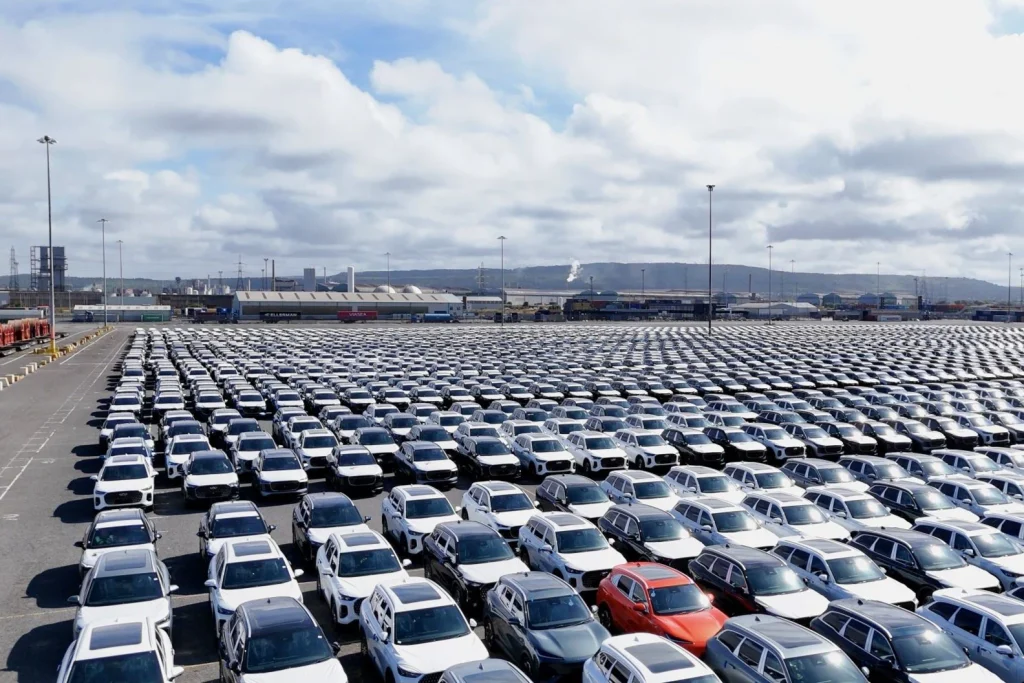
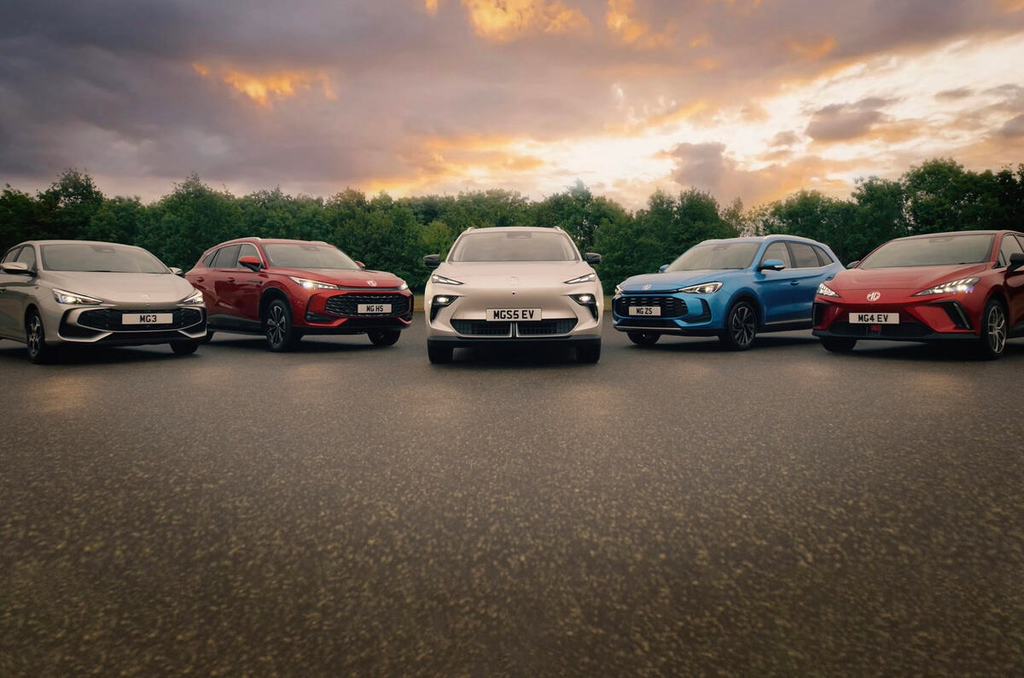
MG's UK operation went on record against the proposed tariffs in unusually direct terms, describing them as "draconian" — a word that does not turn up often in manufacturer press communications. The brand did not issue a diplomatically hedged position paper. It called the measures a tax on private sales. That framing matters: it shifts the political optics from a trade dispute between governments to a cost being imposed on individual car buyers at the dealership. MG sells vehicles imported from China across its entire UK range. There is no UK assembly operation to fall back on. Any tariff applied at the border applies to every unit MG moves. The brand has been among the fastest-growing nameplates in Britain over the past three years, built almost entirely on price competitiveness in the electrified segment. A levy that erodes that price gap undermines the proposition from the ground up. For the latest coverage of EU trade barriers and Chinese EV regulation in 2026, see the full topic hub.
What the Numbers Look Like at the Border
The EU's October 2024 definitive duties added to an existing 10 percent base tariff. SAIC — MG's parent — received the steepest individual rate: 35.3 percentage points on top of that base, producing a combined 45.3 percent duty. BYD landed at 27.5 percent combined; Geely at 28.8 percent combined. The UK currently applies a 6.5 percent import duty on passenger cars from China under its Global Tariff schedule. If London moved to match even the EU's lowest combined rate of 27.5 percent, that would represent an increase of 20.5 percentage points — calculated as 27.5 minus the existing 6.5 percent base rate, plus adjustments. On a £32,000 MG HS imported from China, a 20-percentage-point tariff addition equals roughly £6,400 in additional border cost before any distributor margin or VAT is applied. That is not a rounding error on the final invoice. It is a segment-repositioning event.
"A Tax on Private Sales"
MG's public position, as reported by Autocar Business in June 2025, framed the proposed measures in terms that went beyond trade policy: the brand described additional tariffs as "a tax on private sales" at a moment when demand for lower-cost electrified vehicles is accelerating in the UK market. That eight-word phrase is load-bearing. It connects a Westminster trade negotiation to a buyer sitting in a showroom. Daniel Gregorious, Head of Sales at MG Motor UK, has previously spoken publicly about affordability as the single most cited factor in MG purchase decisions, according to statements made at the Fully Charged Show, Birmingham, April 2025. The brand's argument is consistent: the buyers choosing MG over comparable European-branded alternatives are not doing so for badge reasons. They are doing it for price. Remove the price advantage and the rationale for the purchase changes.
EU Tariffs Versus UK Exposure: Not the Same Risk
The EU and UK face structurally different risks from Chinese vehicle imports, which makes direct policy mirroring questionable. The EU produced approximately 10.5 million passenger vehicles domestically in 2023, according to ACEA's Production Statistics report, published February 2024. The UK produced 905,116 vehicles in the same year, according to the Society of Motor Manufacturers and Traders' full-year 2023 data. That is a ratio of roughly 11.6 to 1 in the EU's favour. The EU's tariff case rested on protecting a manufacturing base of that scale. The UK's equivalent argument is harder to construct: British assembly is concentrated in a handful of plants — Ellesmere Port, Swindon having already closed — and none currently produce Chinese-branded models. Penalising Chinese imports does not redirect demand toward British-built alternatives that exist at volume. It redirects demand toward higher-priced European imports or suppresses it entirely, which helps neither the Treasury nor the net-zero vehicle transition timetable.
The Incentive Trade-Off That Doesn't Quite Add Up
The reported EU offer — align your import rules on Chinese vehicles and we will include UK-built cars in new European industry-protection incentives — contains a tension that has not been resolved publicly. No UK government document seen by this publication as of June 2025 has confirmed the specific terms, the value of those incentives, or which UK assembly operations would qualify. Stellantis produces the Vauxhall Astra at Ellesmere Port. Jaguar Land Rover assembles at Solihull and Castle Bromwich. BMW builds the MINI in Oxford. Those are the plants with the most to gain from EU market-access guarantees. Yet none of those manufacturers sells Chinese-origin vehicles into the UK. The tariffs being proposed would damage brands — MG, BYD, Chery — that have no UK production to protect. So the plants that win from the deal are not the brands that lose from it. Whether that exchange represents a net positive for the British automotive sector as a whole remains, as of this writing, an open question with no official arithmetic attached.
MG registered 42,673 new units in the UK in 2023, making it the country's ninth best-selling passenger car brand for that calendar year, according to SMMT full-year registration data. The brand has held no UK manufacturing footprint since the original Longbridge operation closed in 2005. The complete MG model history and specifications are catalogued in the Global Auto Index manufacturer database.
