







CEO Stephan Winkelmann defends indefinite delay of electric Urus SUV originally due before 2030.
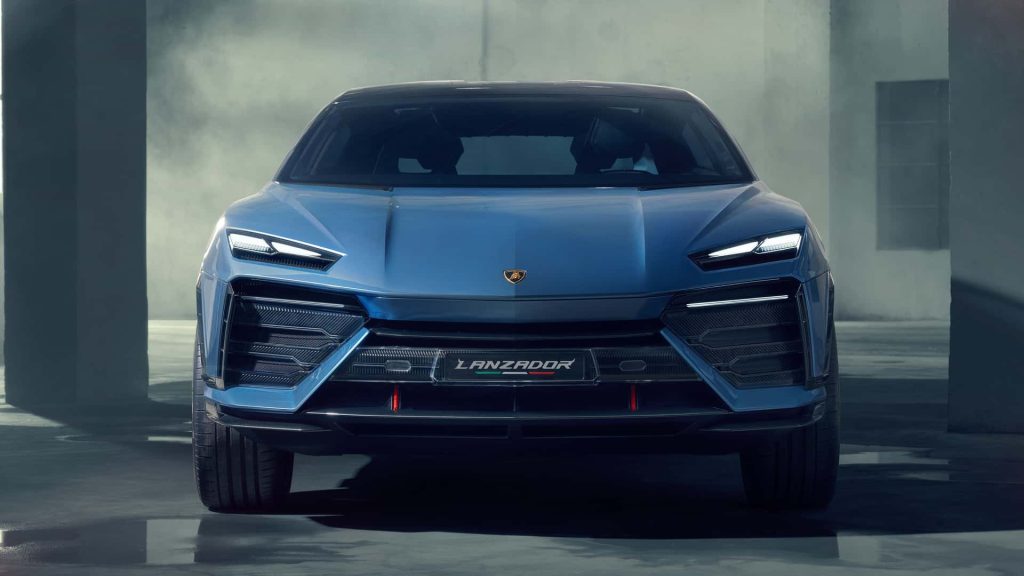
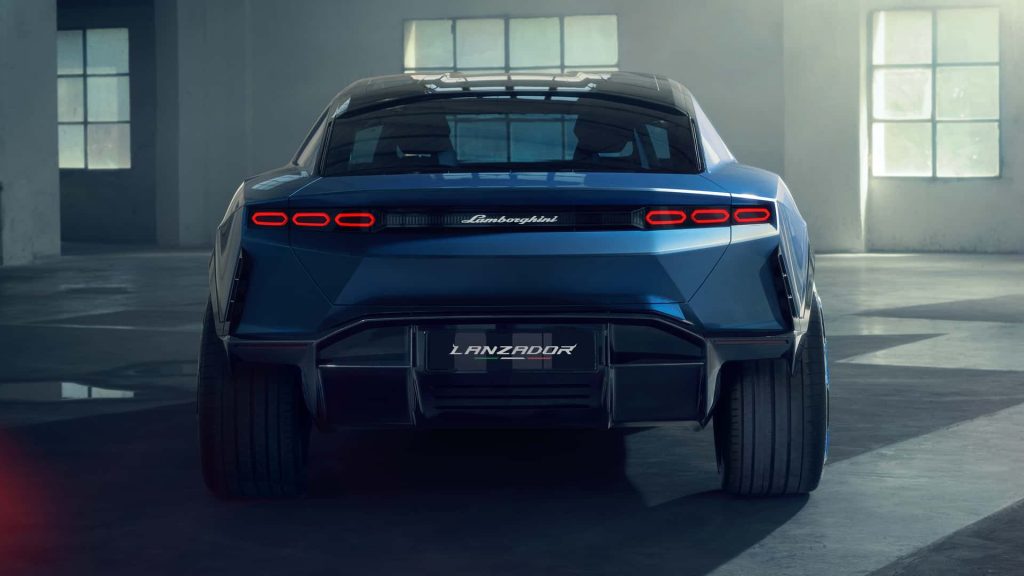
Lamborghini scrapped its 2028 electric vehicle debut. The Lanzador concept, twice delayed, now gets indefinite postponement. CEO Stephan Winkelmann calls it the right move.
The reversal marks the sharpest EV retreat among Italian supercar makers as Ferrari prepares its Luce electric debut. Winkelmann told CNBC in May 2024 that customer acceptance curves showed insufficient demand for battery-only Lamborghinis, according to the broadcaster's automotive coverage.
Double Delays Hit Electric Timeline
Lamborghini revealed the Lanzador concept three years ago with production promised for 2028. Engineers pushed the launch to 2029, then abandoned fixed timelines entirely. The electric Urus SUV suffered identical fate, dropping from a pre-2030 target to no confirmed date. Sant'Agata Bolognese now develops one unnamed EV for post-2030 release. BMW's four-motor M3 debuts in 2027 while Lamborghini retreats from electric competition. The Lanzador gets re-engineered to accept combustion engines in plug-in hybrid configuration, matching the brand's current lineup architecture.
Customer Base Rejects Battery Power
Winkelmann defended the electric cancellations by pointing to market research on buyer preferences. "By observing the market, we saw that the acceptance curve for our type of customers is not increasing," he told CNBC during the May interview. The CEO previously described electric vehicles as an "expensive hobby" when speaking to The Sunday Times earlier in 2024. His comments contrast sharply with Chinese manufacturers pushing European EV expansion. Winkelmann refused to comment on Ferrari's Luce electric strategy, stating that "every company has to decide for themselves."
Ferrari Takes Opposite Path
The timing puts Lamborghini at odds with Maranello's electric push. Ferrari's Luce generates significant online discussion while Lamborghini abandons battery development entirely. Both brands target similar customer demographics with six-figure pricing and exotic performance credentials. Ferrari expects electric sales to complement combustion models rather than replace them immediately. Lamborghini's retreat leaves McLaren and Ferrari competing for electric supercar buyers in the 2025-2030 window. The divergence reflects different interpretations of the same customer research data, with Ferrari betting on early adopters while Lamborghini waits for broader acceptance.
Fourth Model Stays Hybrid
The Lanzador will join Lamborghini's three existing plug-in hybrid models as the brand's fourth nameplate. The 2+2 layout targets grand touring customers seeking longer-distance capability than the Revuelto or Temerario provide. Engineering teams now focus exclusively on combustion-electric combinations rather than pure battery systems. Audi's ownership provides hybrid technology sharing across the Volkswagen Group portfolio. The decision affects supplier contracts and production planning at the Sant'Agata facility. McLaren's summer 2025 plans include both SUVs and sports cars while Lamborghini concentrates on its existing four-model strategy through the decade.
Lamborghini sold 10,112 vehicles in 2023, maintaining record territory despite hybrid-only powertrain options. The brand's V12 Revuelto and V8 Temerario both launched as plug-in hybrids rather than pure combustion engines. No electric Lamborghini will reach customers before 2031. The complete Lamborghini model history and specifications are catalogued in the Global Auto Index manufacturer database.
