Traditional commercial vehicle manufacturers restructuring operations as zero-emission mandate requirements tighten through 2026.
European commercial vehicle manufacturers must achieve 24% electric van sales this year under zero-emission mandates. Traditional brands face restructuring. Asian rivals target market gaps.
The commercial vehicle sector mirrors passenger car electrification pressures, but with compressed timelines and narrower profit margins compared to the passenger ZEV mandate introduced in 2022. UK zero-emission vehicle rules now separate van quotas from car requirements, according to government transport department guidance published January 2025.
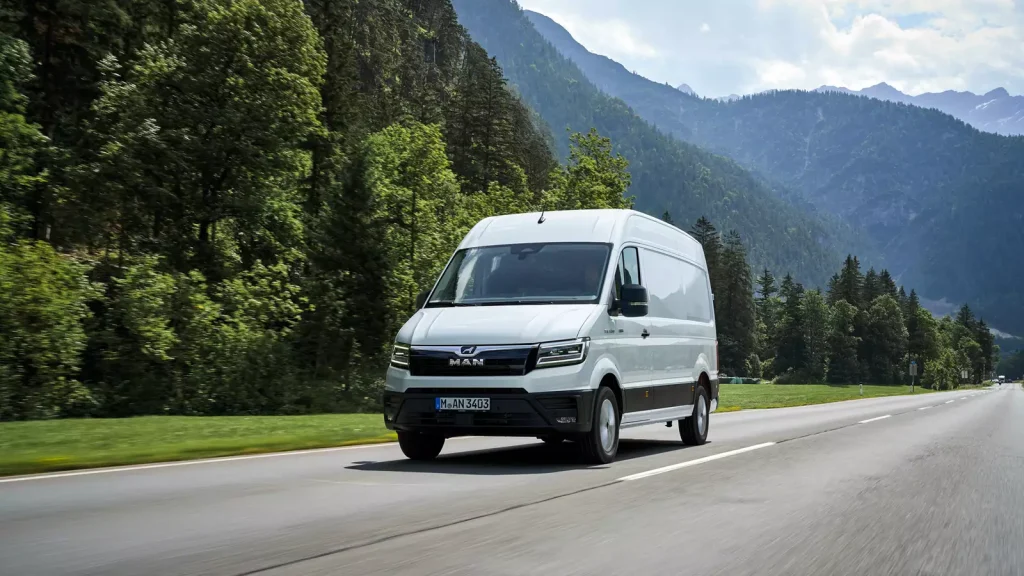
Sales Quotas Jump From 10% to 24%
Van manufacturers faced 10% electric sales requirements in 2023, rising to 16% in 2024. The 2025 target represents a 50% increase over previous year mandates. Companies missing quotas pay £15,000 per vehicle shortfall, up from £5,000 penalties applied to passenger cars. Mercedes-Benz Vans sold 8,400 electric units across Europe in 2024, representing 18% of total van deliveries. Stellantis commercial vehicle division achieved 21% electric sales through Q3 2024. Ford Pro reported 15% electric van penetration across UK fleet sales. Missing this year's 24% target would cost a manufacturer selling 10,000 annual vans approximately £1.2 million in penalties if electric sales reached only 20%.
Chinese Manufacturers Target Commercial Gaps
Maxus, SAIC Motor's commercial vehicle brand, launched five electric van models across Europe in 2024, compared to two models offered in 2022. BYD Commercial Vehicle division announced plans for UK market entry by Q2 2025, targeting the 3.5-tonne delivery segment where established manufacturers report longest waiting times. Chinese manufacturers face production site challenges but bypass traditional dealer networks through direct fleet sales. Maxus prices the eDeliver 3 van at £28,500 excluding VAT, undercutting equivalent Ford Transit Custom Electric by £6,200. JAC Motors plans electric van assembly in Portugal by late 2025. Traditional European van makers averaged 4-6 month delivery times for electric models, while Chinese rivals promise 8-12 week fulfilment through pre-positioned inventory strategies.
ACEA Warns of Supply Chain Strain
The Association of European Automobile Manufacturers published a commercial vehicle market assessment in November 2024, highlighting battery supply bottlenecks affecting van production. Document section 3.2 identifies lithium iron phosphate shortages specific to commercial applications, separate from passenger car constraints. ACEA data shows European van production capacity reached 847,000 units in 2024, but electric powertrain availability covered only 289,000 units. The report warns that 2026 mandate increases to 34% electric sales will exceed battery allocation agreements signed before 2023. EU Industrial Accelerator Act provisions may redirect battery supplies toward European assembly plants. ACEA recommends graduated penalty structures rather than fixed per-vehicle fines for commercial segments.
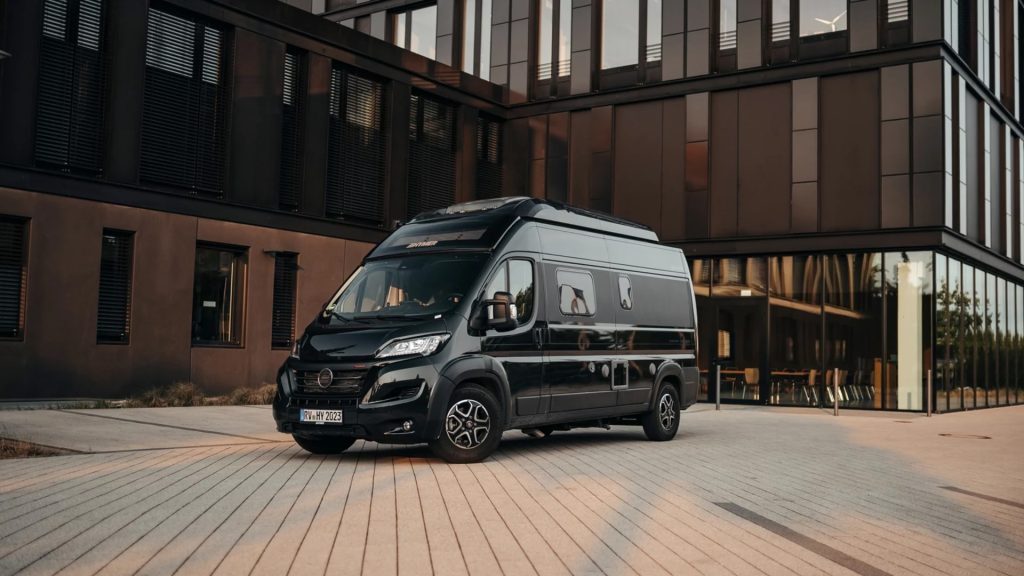
Iveco Daily Production Shifts to Spain
Iveco moved Daily van assembly from Suzzara, Italy to Madrid in September 2024, consolidating electric and diesel production on single assembly lines. The restructuring eliminates 340 jobs in Italy while creating 280 positions in Spain. Iveco Group CEO Gerrit Marx confirmed the move reduces electric van production costs by 12% through shared tooling and simplified logistics. Renault Trucks announced closure of its Blainville plant by March 2025, transferring Master van production to Batilly facility. Volkswagen Commercial Vehicles delayed Crafter Electric launch from Q1 2025 to Q3 2025, citing battery supply agreements renegotiated after ZEV mandate adjustments affected allocation priorities. Mercedes-Benz Vans reduced Sprinter diesel variants from twelve to eight configurations, freeing assembly capacity for eSprinter production increases.
Fleet Orders Exceed Charging Infrastructure
UK van fleet registrations show 31% electric penetration for orders placed in Q4 2024, exceeding the 24% mandate requirement. However, charging infrastructure deployment lags behind fleet commitments. Department for Transport figures show 847 public rapid chargers suitable for commercial vehicles, compared to 12,400 passenger car charging points. Royal Mail confirmed orders for 2,100 electric vans but installed charging infrastructure at only 67 of its 290 delivery offices. DPD operates 1,800 electric delivery vehicles but relies on overnight depot charging rather than public networks. The mismatch suggests fleet operators anticipate infrastructure expansion that hasn't materialised, potentially creating delivery disruptions if charging access fails to match deployment schedules.
Ford Pro announced investment of £350 million in UK electric van production by 2027, targeting 45% electric sales penetration. The facility will employ 1,200 workers from Q2 2026. Transit Electric production begins autumn 2025. The complete Ford model history and specifications are catalogued in the Global Auto Index manufacturer database.
