Flat-mounted four-cylinder hybrid system offers 94hp naturally aspirated or 148hp turbocharged variants for conversion projects.
Horse Powertrain claims its X-Range C15 Direct Drive can convert battery-electric vehicles to hybrids. The system fits where standard EV drive units mount. Custom fabrication still required.
The flat-mounted 1.5-litre engine addresses space constraints that have limited retrofit hybrid conversions, similar to packaging solutions Toyota used in the mid-engine Previa van. CEO Matias Giannini positions the technology as allowing automakers to 'pivot from BEVs to hybrids and range extenders on a single platform' according to Horse Powertrain's April 2024 announcement.
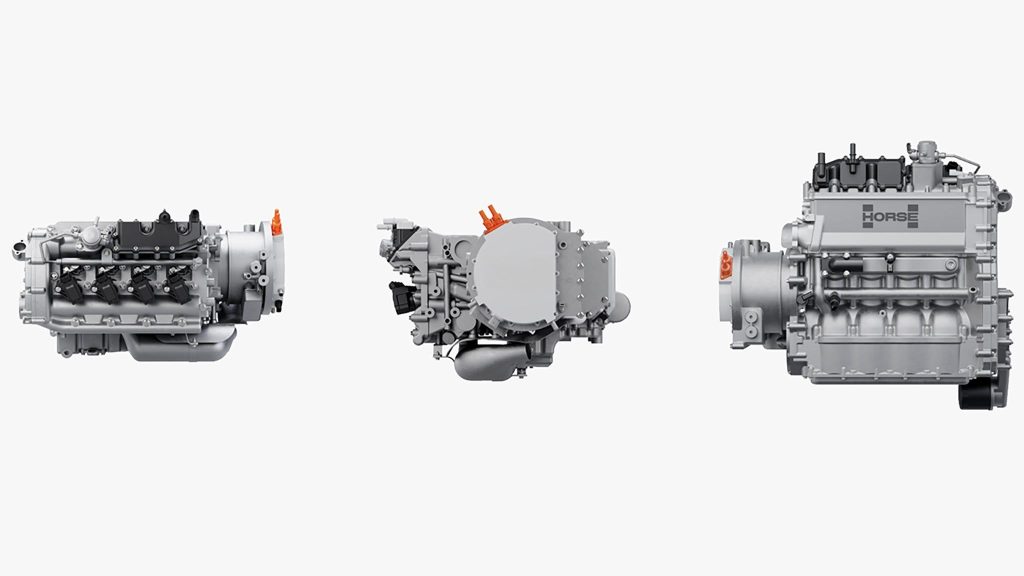
Pancake Layout Solves Height Problem
Horse Powertrain's technical specification document shows the C15 engine mounted horizontally beneath the vehicle floor. The F15 electric motor and 1.5-litre four-cylinder engine combine in what the company calls an 'all-in-one' package. Electronics, controllers and ancillaries come pre-integrated. Two electric motors operate in parallel hybrid configuration. The flat engine layout takes less vertical space than the electric components, reversing typical packaging priorities. Industry restructuring efforts increasingly focus on platform flexibility as manufacturers hedge between battery-electric and hybrid strategies.
Two Power Outputs Target Different Applications
The naturally aspirated C15 produces 94 horsepower while the turbocharged version delivers 148 horsepower. That represents a 57% power increase for the forced-induction variant. Both engines displace 1.5 litres across four cylinders. The power-to-displacement ratio calculates to 62.7 hp/litre for the naturally aspirated unit and 98.7 hp/litre for the turbo. Horse Powertrain positions the lower-output version for range-extender duties while the 148hp variant can replace main drive units. The company has not published torque figures or fuel consumption data for either configuration.
Conversion Reality More Complex Than Drop-In Claims
Horse Powertrain markets the C15 as ready to 'drop in' where EV drive units mount, but significant integration challenges remain unaddressed. Fuel tank placement requires custom solutions depending on vehicle architecture. Cooling systems need radiators and potentially additional heat exchangers not specified in the base package. Engine mounts must be fabricated for each application. GM's recent production halt over integration issues demonstrates how seemingly simple automotive modifications create complex certification requirements. Horse acknowledges rear placement 'allows flexibility' but stops short of providing complete installation guidance.
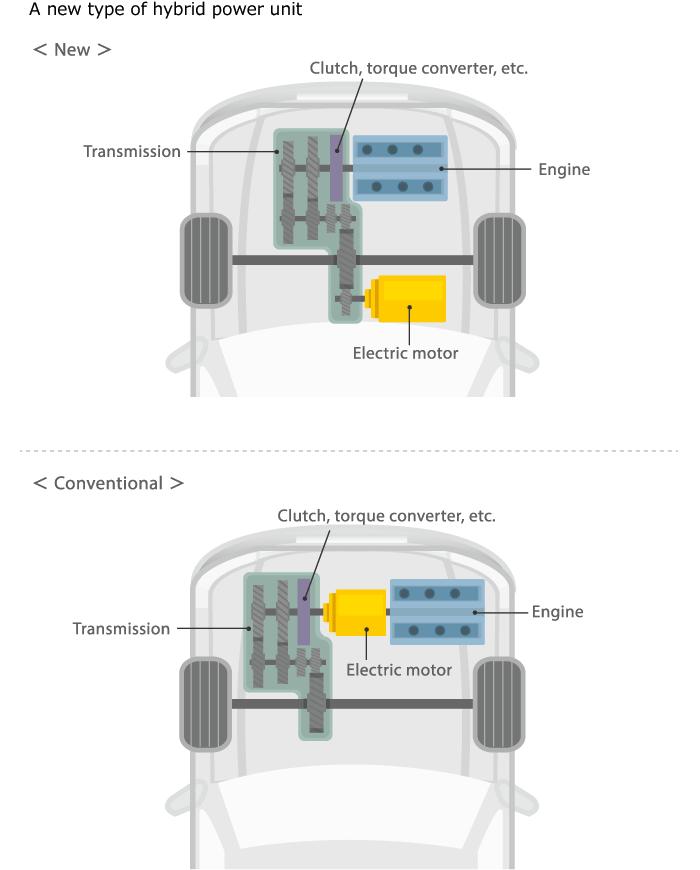
Platform Flexibility Versus Clean-Sheet Design
Horse Powertrain's conversion approach contrasts with manufacturers designing hybrid systems from scratch. BMW's four-motor M3 integrates 1,300 horsepower through purpose-built architecture rather than retrofit solutions. The C15's 148hp maximum output reflects packaging compromises inherent in conversion systems. Toyota's hybrid development typically starts with dedicated platforms allowing optimal component placement. Retrofit solutions face space constraints that limit power density and cooling capacity compared to ground-up designs.
Horse Powertrain has not disclosed pricing for the C15 Direct Drive system or timeline for commercial availability. The company operates from facilities in France and Italy, focusing on powertrain solutions for European manufacturers facing 2035 combustion engine phase-out deadlines. Installation certification requirements vary . The complete Horse Powertrain model history and specifications are catalogued in the Global Auto Index manufacturer database.
