
Electric van credits convert to passenger car compliance at two-for-one ratio under ZEV Mandate rules.
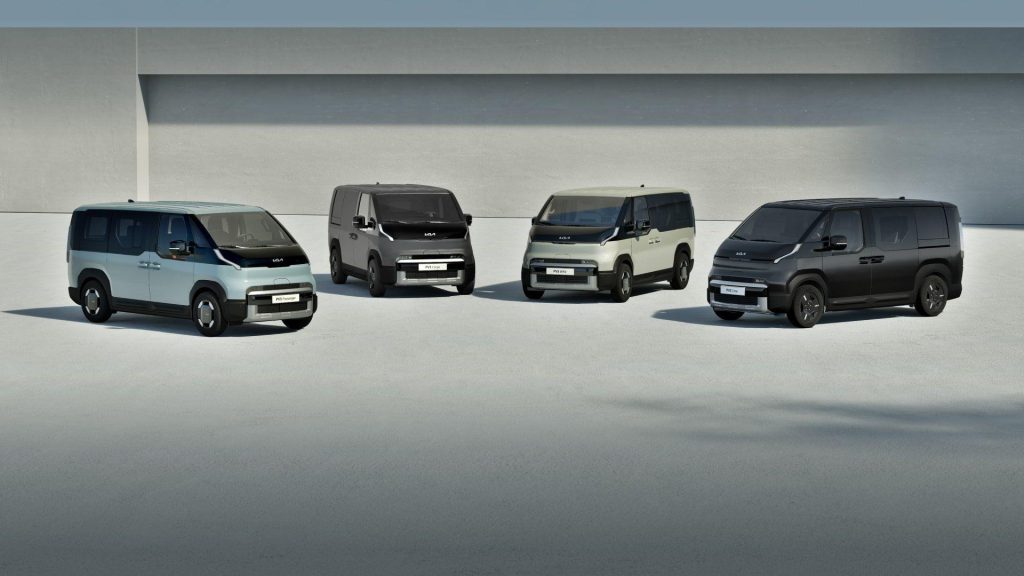
Kia increased its 2026 UK van sales target to 6,500 units. That's up 53% from the original 4,250 forecast. Early demand for the £20,000 PV5 electric van drove the revision.
The overachievement matters because UK ZEV Mandate rules allow surplus electric van sales to generate passenger car credits at a two-for-one conversion rate. This gives Kia credits equivalent to nearly 10,000 electric car registrations without selling a single additional passenger EV, according to Autocar Business analysis published January 2026.
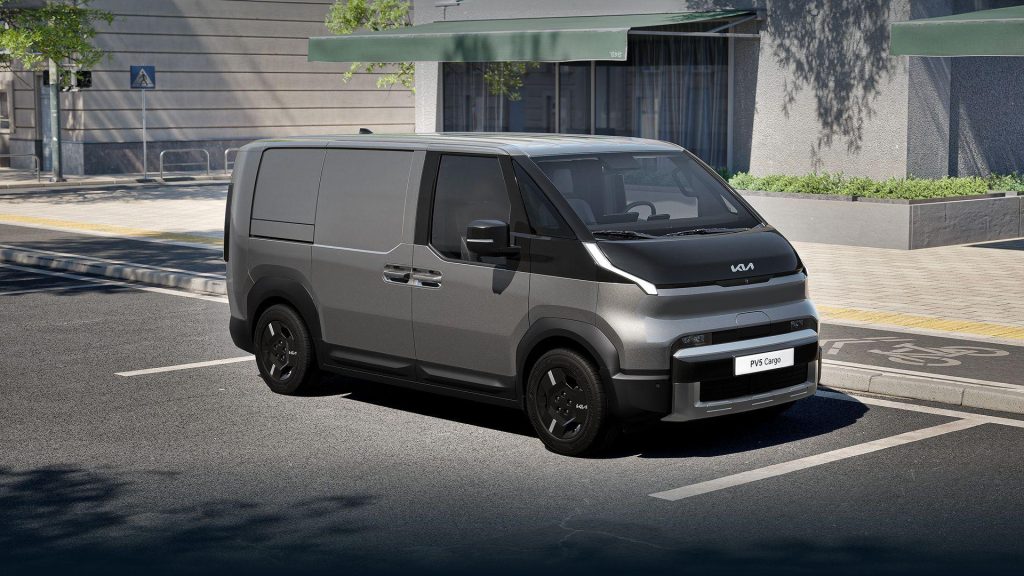
PV5 Launch Triggers Target Revision
Kia launched the PV5 at the end of 2025 with a £20,000 base price. Orders exceeded internal forecasts within weeks. The company responded by raising production allocations for the UK market. Fleet buyers placed bulk orders for delivery throughout 2026. Commercial vehicle dealers reported strong walk-in interest from small business operators. The timing coincides with broader industry restructuring across multiple segments as manufacturers balance passenger and commercial EV portfolios. Kia's van division now expects to deliver 2,250 more units than originally planned, creating unexpected regulatory advantages.
Credit Conversion Delivers Passenger Car Advantage
The 2,250 surplus van sales generate 4,500 passenger car credits under ZEV Mandate conversion rules (2,250 × 2 = 4,500). Combined with other van sales above minimum thresholds, Kia expects total credits equivalent to nearly 10,000 passenger car registrations. At current UK EV prices averaging £35,000, avoiding 10,000 additional electric car sales saves approximately £350 million in inventory costs. The calculation becomes more favourable when compared to ZEV Mandate penalty rates of £15,000 per non-compliant vehicle. This approach mirrors strategies employed by Chinese manufacturers balancing European compliance costs against production complexity.
Van Strategy Differs from Passenger Focus
Traditional passenger car manufacturers typically rely on direct EV sales to meet ZEV targets. Ford achieved 2025 compliance by selling 47,000 electric Mustang Mach-Es and F-150 Lightnings in the UK. Volkswagen met requirements through 52,000 ID.4 and ID.3 deliveries. Kia's approach splits the burden between segments, using lower-cost commercial vehicles to generate credits for higher-margin passenger cars. The PV5's £20,000 price point compares favourably to passenger EVs averaging £35,000-£45,000. Commercial buyers also qualify for enhanced business tax relief, making the van more attractive than equivalent passenger models for mixed-use purchasers.
Regulatory Framework Enables Cross-Segment Trading
The UK ZEV Mandate specifically permits manufacturers to "offset passenger car obligations through qualifying commercial vehicle sales at approved conversion ratios," according to the Department for Transport's ZEV Implementation Guidelines, published March 2025. The two-for-one ratio reflects different annual mileage assumptions between passenger and commercial vehicles. The framework allows credits to be banked for future years or traded between manufacturers, though Kia plans to use all generated credits internally. Similar regulatory flexibility has emerged across Europe, with EU Industrial Accelerator Act provisions creating additional compliance pathways for manufacturers.
Production Capacity Questions Remain Unanswered
Kia has not disclosed which facility will produce the additional 2,250 PV5 units for the UK market. The company's European manufacturing footprint includes Slovakia for passenger cars but no dedicated commercial vehicle assembly. Korean production would require additional shipping allocations typically planned 18 months in advance. Contract manufacturing through third parties remains possible but unconfirmed. The silence contrasts with detailed production announcements from competitors expanding van capacity. Stellantis announced specific Luton plant allocations for increased Vivaro-e output in October 2025. The gap raises questions about Kia's ability to deliver the revised targets without disrupting existing production schedules or passenger car commitments.
Kia's PV5 joins a growing roster of sub-£25,000 electric vans as manufacturers chase ZEV credits through commercial vehicle strategies. The next model refresh cycle begins in Q3 2026 with updated battery chemistry. The complete Kia model history and specifications are catalogued in the Global Auto Index manufacturer database.
