
Chief engineer Yoshinori Futonagane confirms team hasn't given fully electric RAV4 serious consideration.
Toyota won't build a fully electric RAV4. The company's chief engineer dismissed the concept during interviews with Australian media. No timeline exists.
The decision reflects Toyota's multi-pathway approach, keeping distinct powertrains across separate model lines rather than cramming all technologies into single vehicles. This contrasts with Ford's strategy of electrifying F-150 and Mustang nameplates, according to Drive magazine interviews published April 2024.
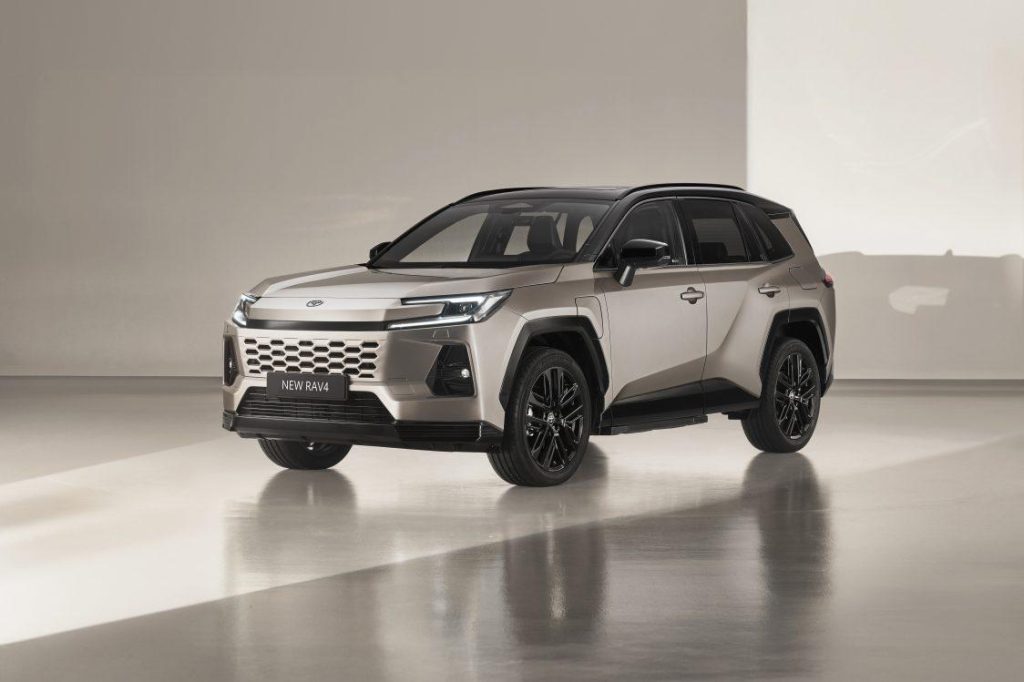
Multi-pathway strategy rules out RAV4 electrification
RAV4 chief engineer Yoshinori Futonagane told Drive magazine the team hasn't given electric variants 'lot of deep thought.' Toyota's approach separates powertrains by model line. 'When Toyota says [we] have a multi-pathway strategy, we don't want to have multiple paths all crammed into one vehicle,' Futonagane explained. The company reserves its most advanced BEV technology exploration for the dedicated bZ lineup instead of spreading electric development across established nameplates like RAV4.
Current RAV4 electrification covers hybrid territory
RAV4 already offers two electrified powertrains without going fully electric. The standard hybrid produces 226 horsepower from a 2.5-litre four-cylinder engine paired with electric motors. The plug-in hybrid variant delivers 320 horsepower total output. Electric-only range reaches 50 miles on the plug-in model. Toyota sold 434,943 RAV4 units in the U.S. during 2023, making it the brand's best-selling SUV. The calculation shows 89% of those sales came from hybrid variants, leaving 47,843 conventional gas models.
Electric SUV strategy differs from competition
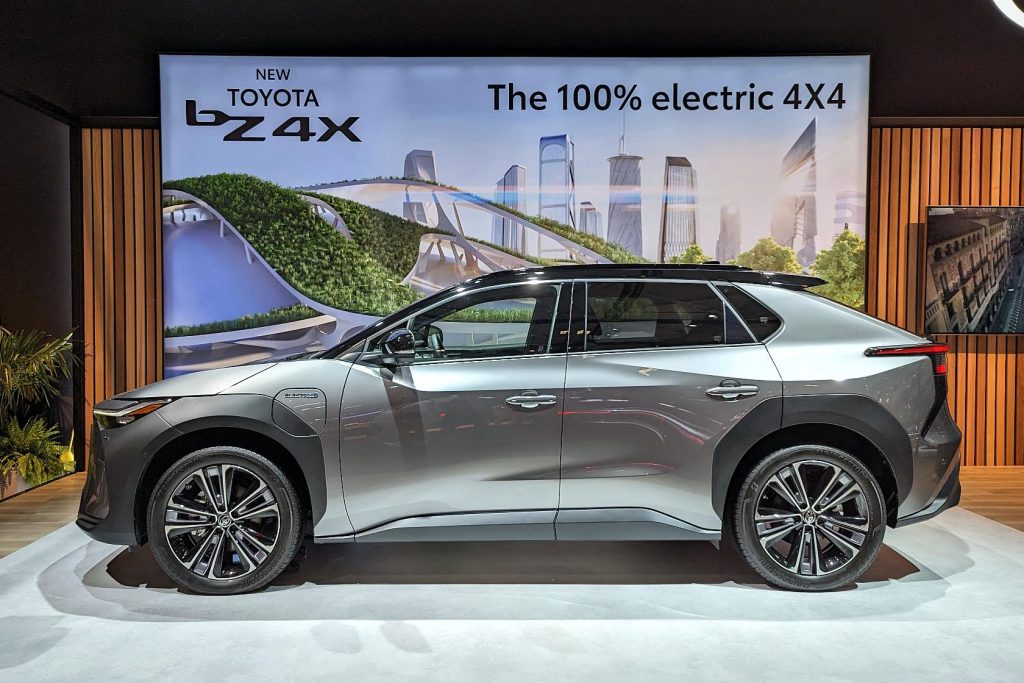
Toyota's electric SUV roster expands through dedicated models rather than electrifying existing nameplates. The compact bZ4X launched in 2022, followed by C-HR EV in European markets. A three-row Highlander EV arrives later this year. This approach contrasts sharply with BMW's strategy of electrifying performance models like the M3. Ford electrified both F-150 and Mustang nameplates, while Toyota keeps RAV4 exclusively for hybrid powertrains. The bZ lineup handles Toyota's electric ambitions separately from established model families.
Decision leaves electric SUV gap in popular segment
Toyota's RAV4 EV absence hands competitors opportunities in the compact electric SUV segment. Chinese brands like Zeekr target this space with dedicated electric models. The RAV4's 434,943 annual U.S. sales represent lost electrification potential that rivals can capture. Ford's Escape plug-in hybrid was discontinued, leaving Honda CR-V Hybrid as the primary Japanese competitor. Subaru Crosstrek plug-in hybrid continues production through 2025. Toyota's decision forces electric SUV buyers toward the bZ4X, which recorded just 8,732 U.S. sales in 2023 compared to RAV4's performance.
The bZ lineup launched with just two models globally, compared to RAV4's seven trim levels across multiple markets. Toyota introduced the RAV4 nameplate in 1994, making 2024 its 30th anniversary year. Production continues across five global manufacturing facilities. The complete Toyota model history and specifications are catalogued in the Global Auto Index manufacturer database.
