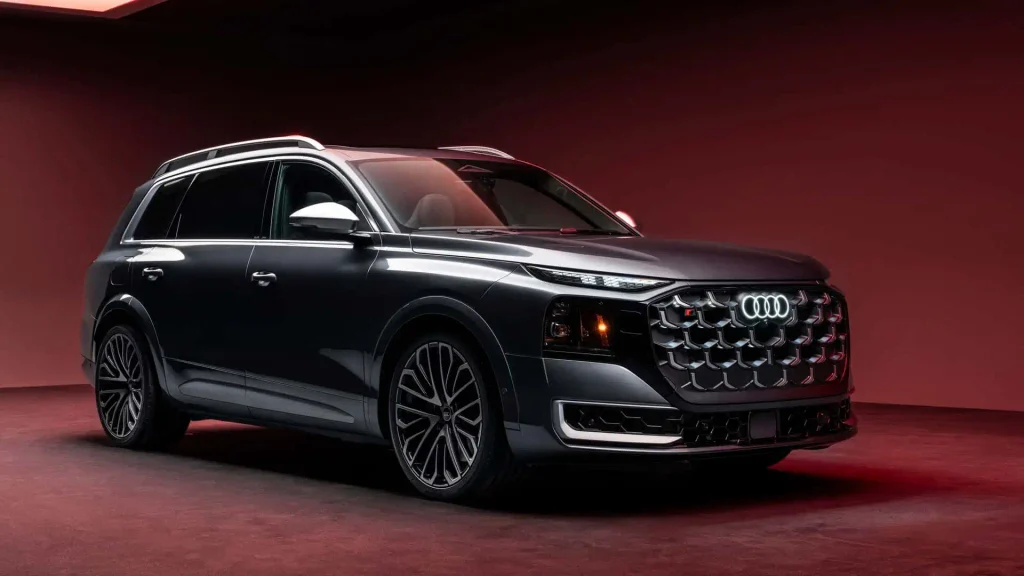
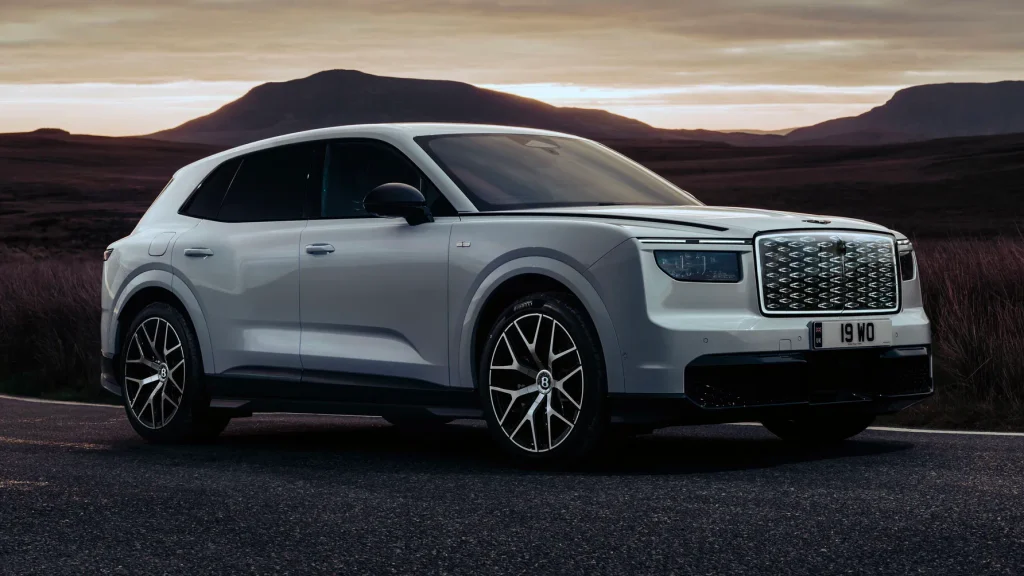
Third-generation luxury SUV shown in Alopias Blue S Line trim with traditional door handles.
Audi teased its third-generation Q7 luxury SUV ahead of an imminent reveal. The current model launched in January 2015. That makes it 11 years old. Two facelifts couldn't hide the age.
The Q7 update comes as Mercedes refreshes its GLE rival and BMW prepares a new X5 generation. Traditional European makers face pressure from Chinese manufacturers offering comparable luxury at lower prices, according to Audi's June teaser announcement.
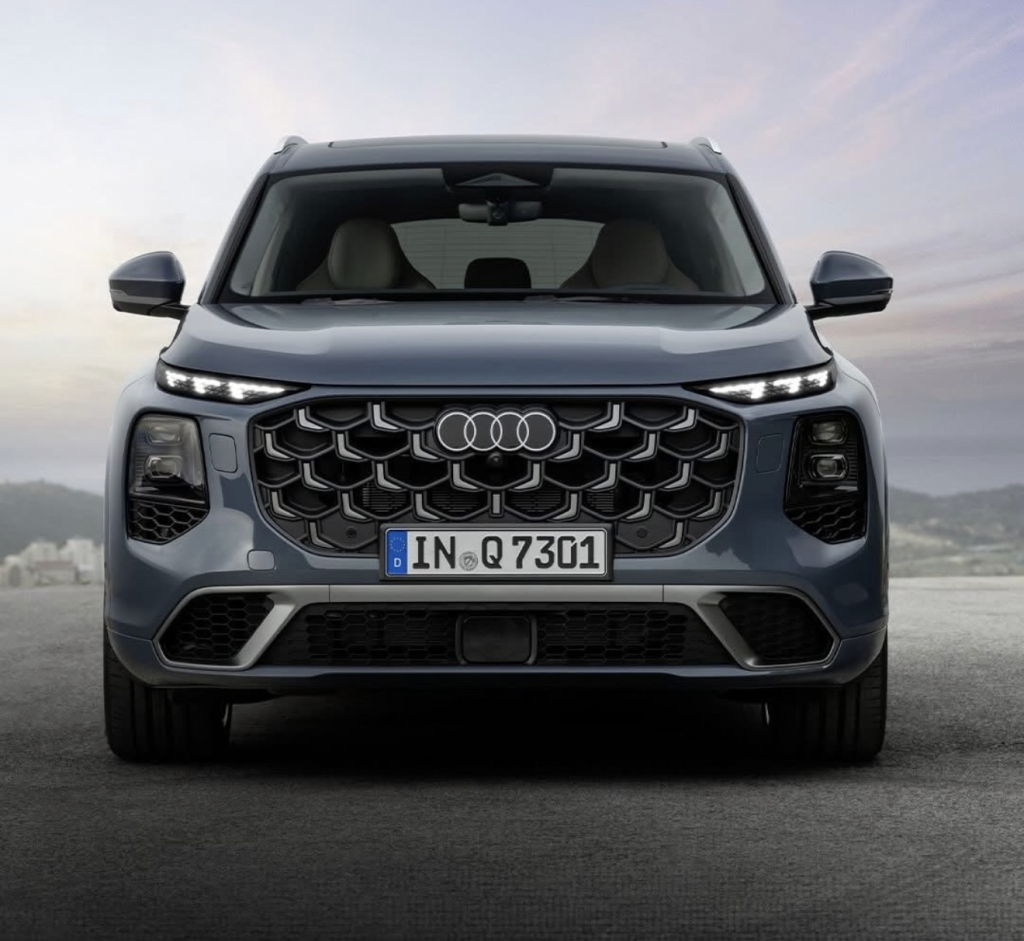
Blue S Line Trim Shows Design Direction
The teaser image shows the new Q7 in S Line specification finished in Alopias Blue paint. Traditional door handles replace touch-sensitive alternatives used on some recent Audi models. The design appears to follow the larger Q9's styling direction, which Audi revealed earlier this year. Ingolstadt promises 'first-class materials' for the interior after previously acknowledging quality declines in recent years. The company committed to returning to higher standards across its European luxury SUV lineup.
Third Row Competes Against Fresh Rivals
The Q7 will likely retain its three-row seating option despite the larger Q9's arrival. Mercedes updated its GLE competitor recently while BMW prepares a next-generation X5. The Q7's 11-year product cycle exceeds typical luxury SUV refresh patterns of 7-8 years. Chinese manufacturers like Jaecoo now top monthly UK sales charts with substantially lower prices than German rivals. The Q7 previously dominated this segment before extended product cycles allowed competitors to gain ground.
Powertrain Mix Balances Performance and Emissions
V6 petrol and diesel engines will anchor the range based on Audi's current portfolio structure. An SQ7 variant could feature V8 power, continuing the 4.0-litre twin-turbo tradition from the outgoing model that produces 500hp. Plug-in hybrid variants appear certain given tightening European emissions regulations. The current Q7 weighs 2,195kg in base form, requiring substantial battery capacity for meaningful electric range. EU fleet average CO2 targets drop to 81g/km by 2030, making electrification mandatory rather than optional for large SUVs.

Q9 Launch Strategy Shifts Market Position
The Q7's positioning changes significantly with the Q9's introduction above it in Audi's hierarchy. Premium buyers seeking maximum space and luxury will likely choose the flagship Q9 over the smaller sibling. This pushes the Q7 toward volume sales rather than halo positioning it previously enjoyed. The strategy mirrors BMW's performance model proliferation where multiple variants target different buyer segments. Audi dealerships must now explain two large SUV offerings where one previously sufficed, potentially cannibalizing Q7 sales among conquest buyers.
The A2 electric vehicle returns this autumn as Audi's new entry model following A1 and Q2 discontinuation. RS6 Sedan and Avant variants should debut before year-end according to company sources. Production timing for the Q7 remains unconfirmed beyond 2027 model year designation. The complete Audi model history and specifications are catalogued in the Global Auto Index manufacturer database.
