

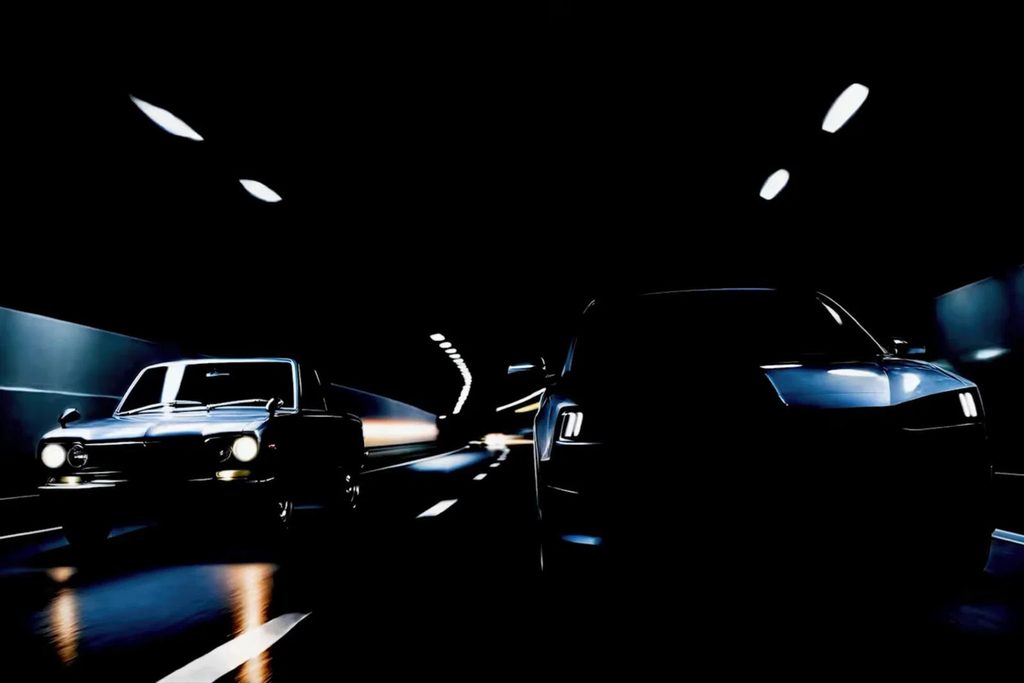
PSA Peugeot Citro’n and Toyota Motor Corporation (TMC) today announce that their three-year joint project to design, develop and produce three all-new small passenger cars for the European market is close to fruition. To mark their progress, the two companies have decided to release the first official photograph of the three four-seater vehicles, Peugeot 107, Toyota Aygo and Citro’n C1. Due to go on sale in 2005, they will be unveiled in the metal to the public at the Geneva Motor Show in March.
While the three vehicles share a large number of structural components, parts and sub-assemblies they each have separate and distinct bodies that reflect the individual styles of the Peugeot, Citro’n and Toyota marques. — Toyota to display sustainability concepts at Tokyo Show.
Each car measures about 3.4m long, 1.6m wide and 1.4m high. Powered by the latest generation 1.0-litre petrol and 1.4-litre diesel engines, these compact, fuel-efficient cars will be particularly suited to urban driving. They will also feature advanced safety and environmental protection technologies. The cars are primarily aimed at the European market, where demand for this type of vehicle is expected to increase. — Volkswagen space up! blue concept.
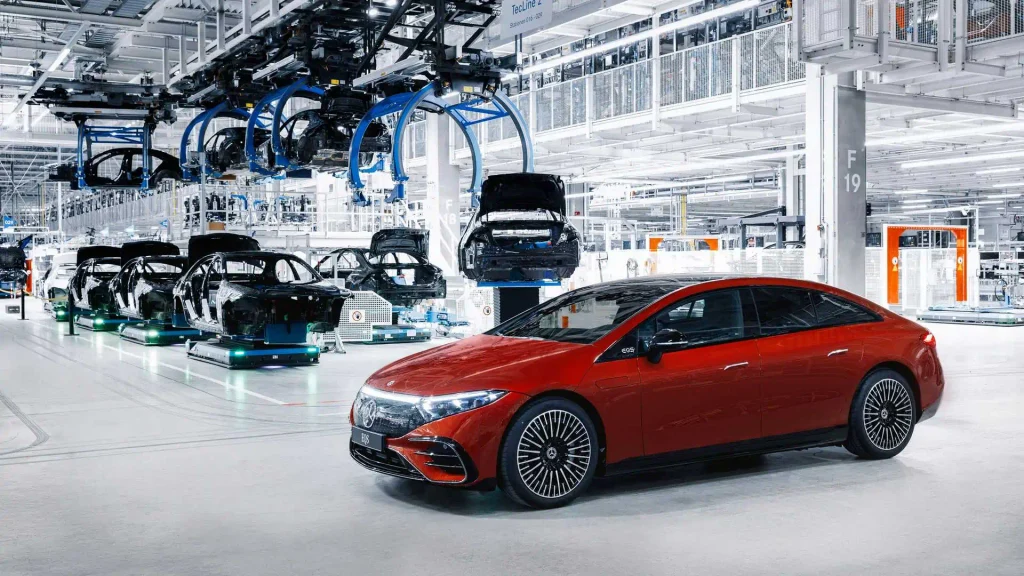
Developed on a common platform, all three cars will begin rolling off the production lines at the Toyota Peugeot Citro’n Automobile (TPCA) plant in Kol’n, Czech Republic, in 2005, in line with the development and plant construction timetable jointly announced in July 2001. The plant will have an annual production capacity of 300,000 vehicles – 200,000 units for Peugeot and Citro’n and 100,000 for Toyota. — new Audi A3 Cabriolet debut.
The project is expected to contribute widely to the local community, particularly as far as local job creation at TPCA and its suppliers is concerned. It has already created 1,500 jobs at TPCA, with plans to hire a further 1,500 people. Total investment, including research and development and production start-up costs, is estimated at ’1.5 billion.
