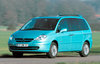
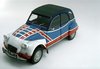
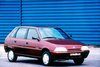
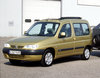
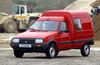
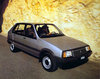
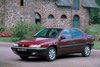
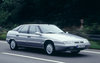
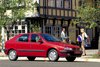
Intro: Although formed in 1917, the first car produced by the company’s founder, Andre Citro’n, did not appear until 1919 from a factory in Paris. Barely ten years later, the great innovator was working extensively on the Traction Avant project, which combined front-wheel-drive, ease of maintenance, stylish good looks and unitary construction (i.e. no separate chassis frame). The immense costs involved led to his premature death and Michelin Tyre acquired the company. For several years, Citr’en used to manufacture cars (2CV and Light 15, then ID19) at a Slough factory that is now better known for being the UK home of the ubiquitous Mars Bar.
Strangely, Citro’n products were renowned for their complexity, so it came as no surprise for the company to find itself up for sale once again. Peugeot bought the firm in 1974 and, although for every Citro’n new model since then, there has been an equivalent Peugeot, the French giant has finally determined that the individual brands are important and a raft of new models will start to show distinctive differences in line with their original remits.
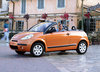
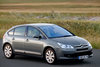
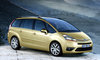
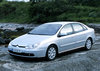
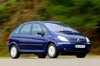
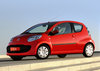
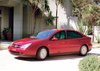
Citro’n started the ball rolling with the C5 in 2000. But it was the C3 which really put Citro’n back on track in 2001. A year later came the funky C3 Pluriel while the 3-door C2 joined the line-up in 2003. The Xsara-replacement, called C4 bowed in the 2004 Paris Motor Show. In 2005 it there were two new Citro’n models, the C1 minicar and the C6 luxury sedan.
|