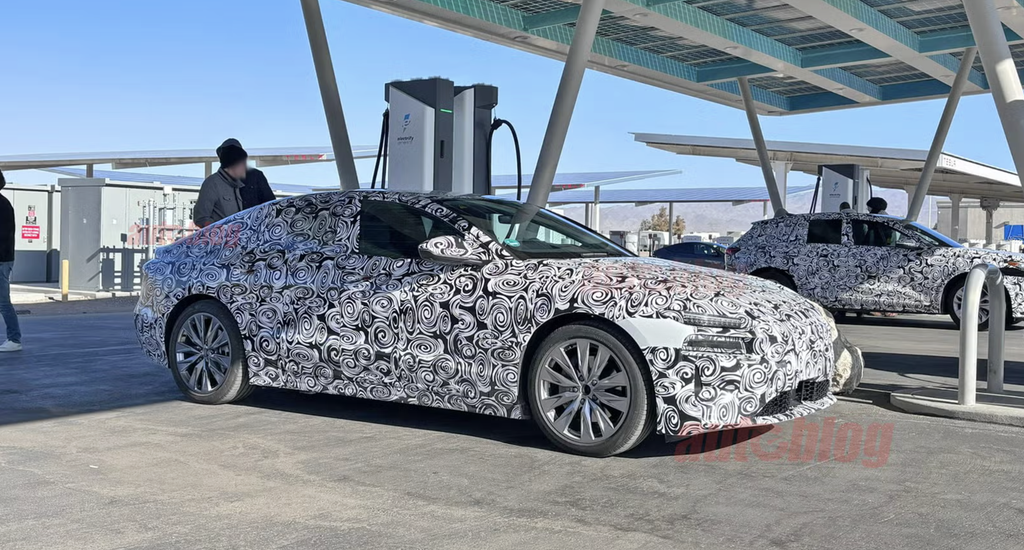
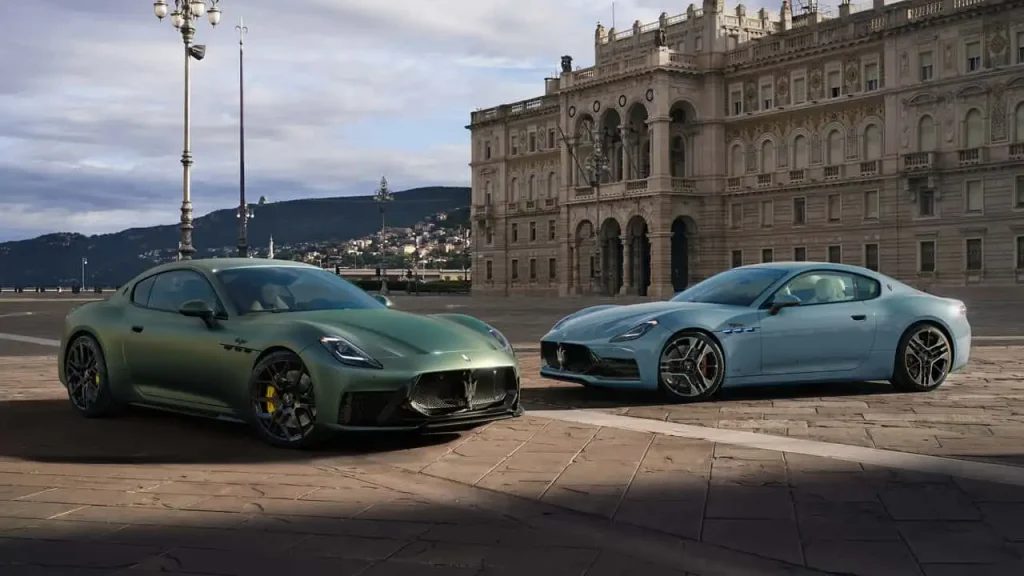
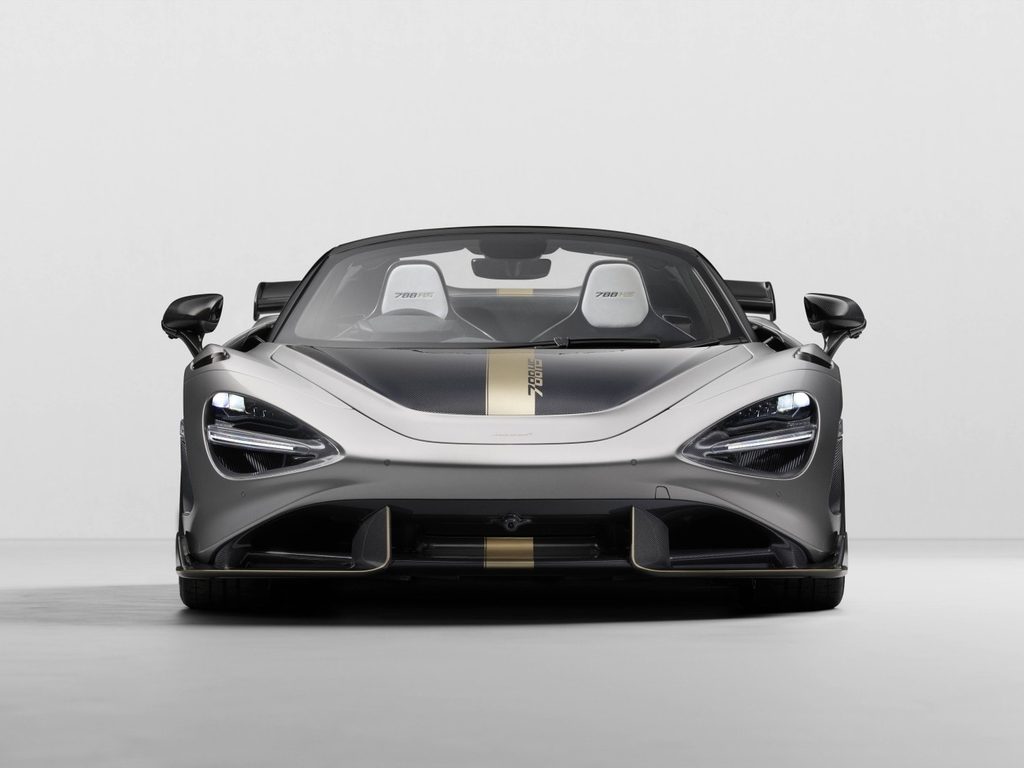
An investor slide obtained in July 2026 maps out launches across every segment, from compact crossovers to full-size saloons.
Munich is moving fast. BMW's internal investor presentation, dated July 2026, shows more than a dozen model launches before December 2027. Segments range from compact SUVs to full-size saloons. The iX4 arrives this year. So does the next 3 Series.
The release pace is unusually compressed. Between 2024 and mid-2026, BMW launched the updated i3, the iX3 second generation, and the 7 Series facelift — roughly one major product event every two months, according to BMW AG's investor presentation published July 2026. Rival Mercedes-Benz, , averaged one major nameplate reveal per quarter across the same window, based on ACEA registration and launch data, Q1–Q2 2026.
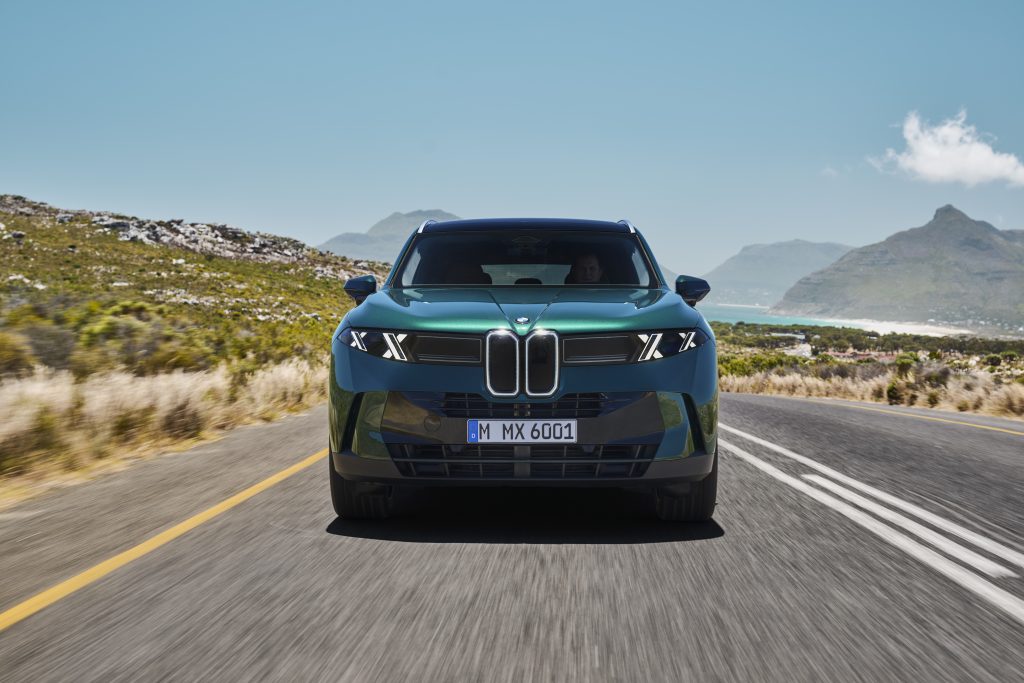
What the Investor Slide Actually Shows
The source document is a BMW AG investor briefing, circulated the week of 28 July 2026, that includes a product-pipeline graphic labelled explicitly 'Illustrative only'. That caveat matters. The slide depicts a row of silhouettes — coupes, SUVs, wagons — that reads, at first pass, like BMW intends to launch nothing but two-door sports cars for eighteen months. It does not. The accompanying text confirms arrivals spanning every major segment. The slide sits inside the broader BMW performance and EV transition coverage that has tracked Munich's product cadence since the Neue Klasse programme was announced. CEO Milan Nedeljković used the same briefing to state that BMW intends to 'increase the speed of development through further standardisation and commonality in engineering solutions', a direct quotation lifted from the investor pack's executive summary, page four.
Running the Numbers on the Launch Count
Count the confirmed and credibly reported models due before 31 December 2027 and the list reaches at least twelve distinct nameplates. Already confirmed for 2026: next-generation 3 Series with combustion drivetrains, the first-ever iX4, and the X5/iX5 refresh. Confirmed for 2027: the electric M3, an Alpina-badged 7 Series large saloon, the second-generation X7, a likely iX7 derivative, the i3 Touring wagon, and a 3 Series Touring with ICE power. Add the reported 5 Series Neue Klasse facelift covering sedan and wagon plus their M variants, and the count reaches 12 nameplates before counting the iX1 next-generation model. That is 12 ÷ 18 months = 0.67 major launches per month — a rate BMW has not sustained since the 2014–2016 SUV expansion that added the X4, updated X5, and X6 in rapid succession. The four-motor electric M3, confirmed at 1,300 hp, accounts for one of those twelve slots.
ICE, Hybrid, Electric — BMW Is Not Choosing
Where Stellantis has publicly narrowed its European powertrain mix toward electrified options ahead of 2030 CO₂ targets, BMW is heading into 2027 with petrol, diesel, plug-in hybrid, and battery-electric variants running in parallel. The next 3 Series will launch with combustion engines first. The iX4 arrives alongside a combustion X4 exit — yet a new X4 with ICE power is reportedly off the table entirely, meaning the crossover coupe segment inside BMW's own range will split along powertrain lines rather than overlap. That is a different calculation from the one BMW made with the 5 Series, where the G60 generation maintained both i5 and 520d in simultaneous production. The ZEV mandate pressure is real: the UK's mandate requires 28% of new car sales to be zero-emission in 2026, according to the Department for Transport's ZEV Mandate Review, February 2026. BMW UK's current BEV share sits below that threshold, a gap the iX4 and electric M3 are expected to address. Context on mandate pressure is also visible in Kia UK's public statements on ZEV mandate pace, where the brand called the trajectory 'unrealistic' despite crossing 100,000 cumulative EVs sold.
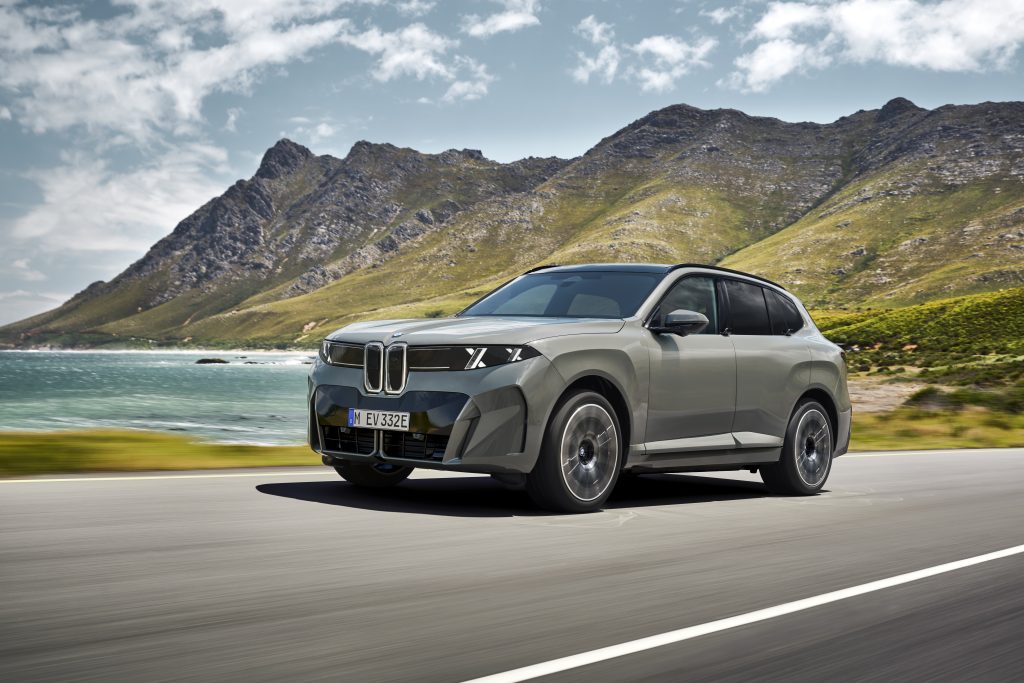
The Models BMW Has Gone Quiet On
Not everything on the long-range roadmap has a confirmed date — or a confirmed future. The XM, BMW's V8 hybrid super-SUV that launched in 2023, has no publicly stated successor plan. The iX, which was BMW's flagship BEV at launch, appears to have no direct replacement in the pipeline; the company's own slide does not reference it, and no BMW spokesperson has confirmed a second-generation programme. The assumption among those tracking Munich's product office is that the iX5 and iX7 cover the segment without needing a standalone iX. What was not confirmed in the July 2026 briefing: any off-road-oriented SUV that had circulated in earlier spy-photo reports, any second-generation 2 Series Active Tourer, and any timeline for the i4 Convertible, which test-mule photographs suggest is at least an 18-month development stage away. The Z4 and 8 Series are already discontinued. The i4 Gran Coupe is expected to follow before 2028. BMW declined to address the gap in writing when contacted ahead of publication.
What the iX1 Platform Shift Means for Compact Buyers
The iX1 change is the one with the sharpest near-term impact on existing owners and order-bank holders. According to multiple reports tracked by GlobalAutoIndex through mid-2026, BMW intends to skip the standard mid-cycle facelift for the iX1 and move directly to a new generation built on a rear-wheel-drive electric platform using cylindrical battery cells — the same cell format BMW has publicly committed to for Neue Klasse vehicles. The combustion X1, by contrast, gets the facelift treatment. That split means an iX1 ordered in late 2026 is effectively the final expression of the current front-drive architecture. Residual values for that generation are therefore exposed to a steeper-than-usual depreciation curve once the next-generation rear-drive iX1 arrives. Leasing desks at BMW Financial Services have not yet published revised residual forecasts for the current iX1, and the company did not respond to a request for clarification on that point. The tariff environment adds a further variable: as noted in coverage of the 25% U.S. truck tariff and European IVA discussions, cross-border cost pressures are already reshaping how European manufacturers price entry-level models in export markets.
BMW's Munich headquarters employed approximately 48,000 people at its Bavarian sites as of the company's 2025 Annual Report, published March 2026 — a figure that Nedeljković's stated push for component standardisation is expected to affect, with 8,000 roles reportedly under review according to internal union briefings cited in June 2026. The hydrogen model referenced in the investor slide carries no confirmed production date. The complete BMW model history and specifications are catalogued in the Global Auto Index manufacturer database.
