
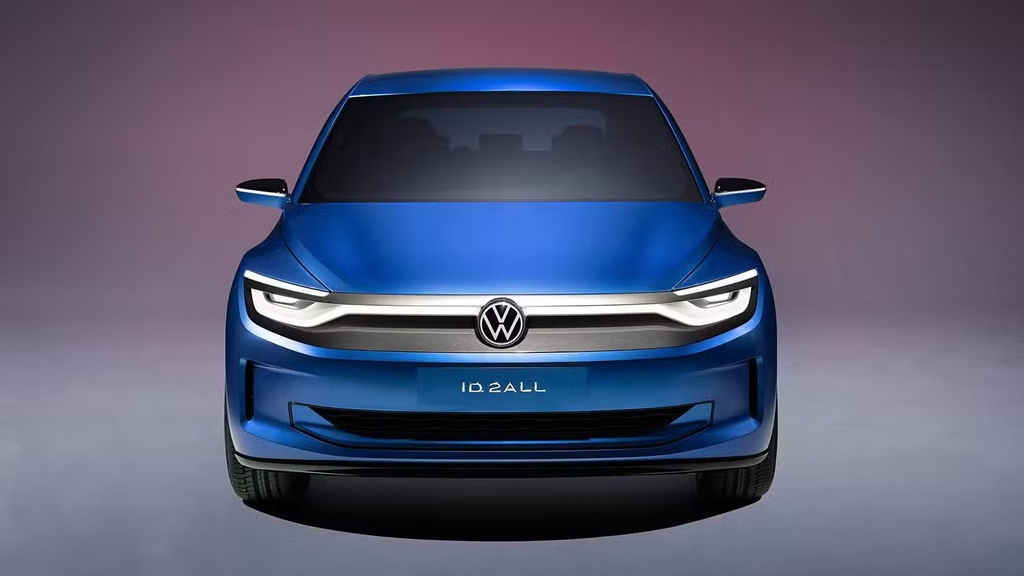
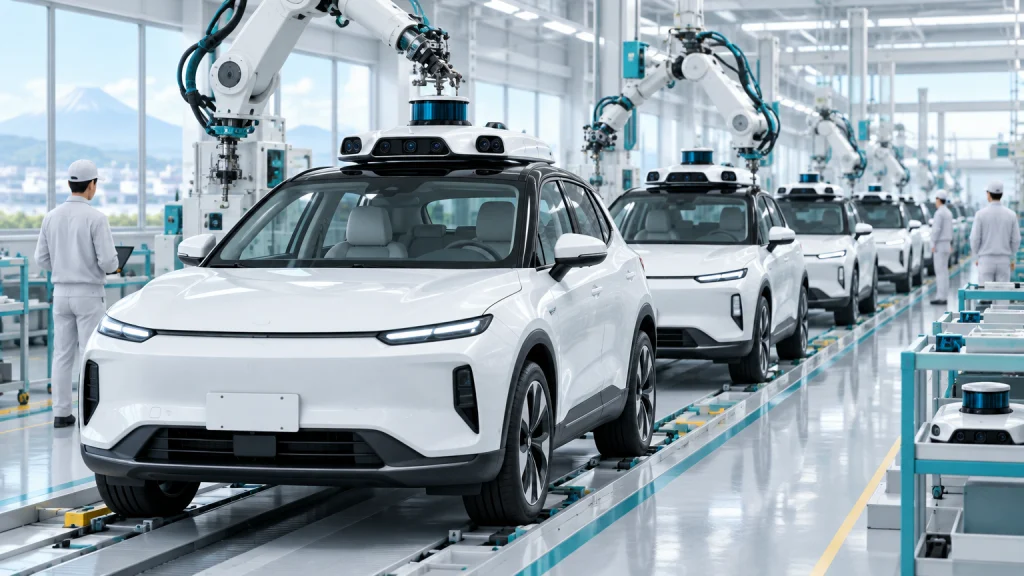
The Xpeng-co-developed architecture cuts electronic control units by 30 percent and could cover three-quarters of VW, Skoda, and Cupra next-generation lineups.
Volkswagen is moving its China-developed software out of China. The group confirmed the China Electronic Architecture, built with Xpeng, will underpin South American models from 2030. That is a direct reversal. The old rule was simple: what runs in China, stays in China.
The shift matters because Volkswagen's European software road map now has a rival from within the group. According to Reuters reporting published October 2024, Thomas Schäfer, Volkswagen brand chief, is examining whether the China Electronic Architecture could cover roughly three-quarters of the next-generation VW, Skoda, and Cupra model ranges in Europe — a scope that would dwarf the footprint of any single platform the group has previously applied across those three brands simultaneously.
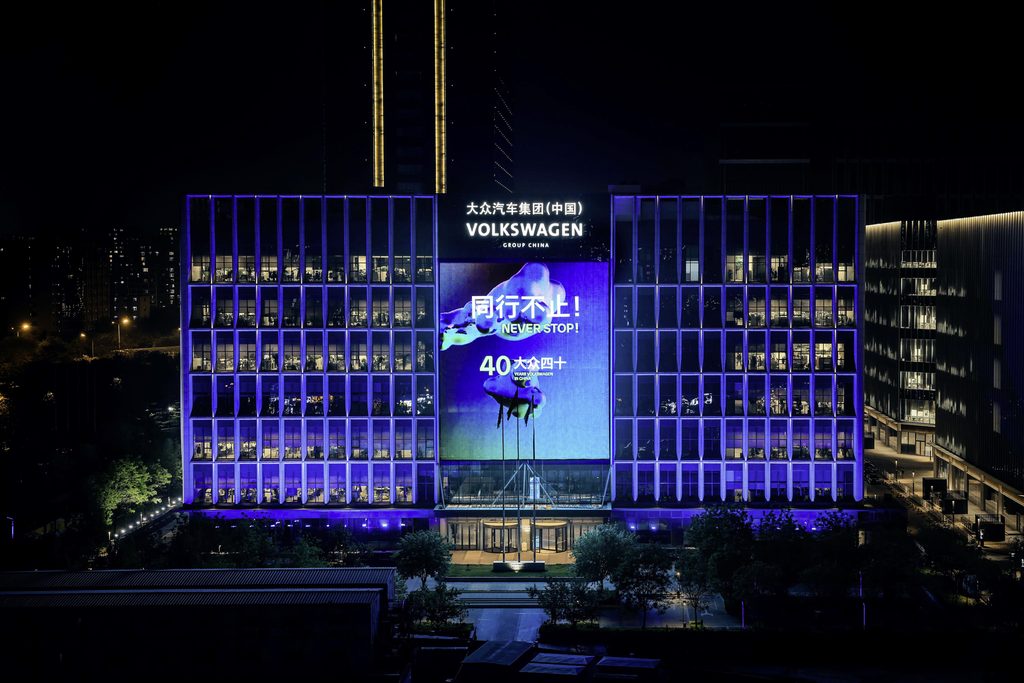
What Volkswagen Announced at the Hefei Technology Day
Volkswagen Group China presented the full technology bundle, branded VEGA, at a Technology Day event held in Hefei. The package ties together three components: the China Main Platform, the China Electronic Architecture, and a suite of China-developed software and driver-assistance systems. The China Main Platform targets A-segment battery-electric and plug-in-hybrid vehicles. Volkswagen's stated specification, as outlined at the Hefei event, sets a CLTC range target above 373 miles and an energy consumption figure of roughly 11 kWh per 62 miles in its most efficient configuration. The architecture currently runs five locally produced all-electric Volkswagen brand models inside China, including the Yuzhong 06 and the Yuzhong 07. Volkswagen Group China confirmed at the same event that combustion and plug-in-hybrid models in China will adopt the same architecture by 2027, extending the platform beyond the battery-electric vehicles where it first appeared. For context on how this sits within the group's broader Volkswagen Group global production and platform decisions, the shift represents the first time a China-origin electronic architecture has been formally proposed for volume European application.
The Numbers Behind the CEA's Cost Case
The architecture reduces the number of electronic control units by approximately 30 percent compared with Volkswagen's older setups. Volkswagen has not published an absolute ECU count, but the group's existing modular platforms have been documented running upwards of 70 discrete control units in complex configurations; a 30 percent reduction would eliminate roughly 21 units per vehicle. Across a production run of, say, 500,000 units annually — comparable to the combined output of VW-brand electric models in Europe — that is 10.5 million fewer ECU installations per year. The China Main Platform also covers both BEV and PHEV drivetrains from a single hardware base. Volkswagen's Level 4 automated driving target is set for 2029, using a third-generation version of the China Electronic Architecture paired with a Volkswagen-developed control chip designated C7H. That 2029 date sits five years after the architecture's current Chinese production launch, and two years before the South American integration deadline of 2030. Three dates, one escalating hardware road map: 2027 for combustion, 2029 for Level 4, 2030 for South America.
Where This Leaves Rivian and the $5.8 Billion Joint Venture
In June 2024, Volkswagen Group announced a $5.8 billion investment in Rivian, structured as a joint venture to develop software and electrical architecture for future group vehicles. Oliver Blume, Volkswagen Group chief executive, described the Rivian tie-up publicly as central to the group's technology plan. The China Electronic Architecture proposal, as reported by German outlet Manager Magazin and corroborated by Reuters in October 2024, would direct the CEA toward VW, Skoda, and Cupra — the three volume brands that were the implied beneficiaries of the Rivian deal. Manager Magazin reported that Thomas Schäfer, Volkswagen brand chief, is the internal advocate for the China-software route. If adopted, Rivian's scope would contract to other group brands. Volkswagen has not publicly reconciled these two positions. The joint venture agreement has not been amended, according to any filing reviewed at the time of publication. Whether Rivian's technology and the CEA are genuinely complementary or quietly competitive inside the group is a question Volkswagen has so far declined to answer directly.
"In China, For China" to "Built in China, Sold Everywhere"
Until 2024, Volkswagen's localisation model ran in one direction. Technology developed in Wolfsburg or with European partners flowed into China. The CEA inverts that. China-built Volkswagens were already reaching Mexico and parts of Southeast and Central Asia before the Hefei announcement, with additional markets listed as planned for after 2026. Compare this with the group's posture in 2019, when Volkswagen Group China was still adapting German platforms for local tastes and local regulations — not originating platforms for export. Five years later, the same China operation is supplying the architecture that could define the product ranges of three European brands. The geographic reversal is also a financial one. South America and South Africa, the first confirmed export destinations for CEA-based vehicles, represent markets where price sensitivity demands lower bill-of-materials costs. A 30 percent ECU reduction directly attacks that cost line. Europe, where the proposal is still under internal discussion, adds a different variable: regulatory compliance with Euro 7 and EU software type-approval rules, neither of which the China Electronic Architecture has yet been tested against in a production context.
What Skoda, Cupra, and VW Brand Engineers Face Next
If Volkswagen's internal review concludes in favour of the China Electronic Architecture for European volume models, the engineering consequence falls first on Skoda Auto's development teams in Mladá Boleslav and Cupra's technical office in Martorell. Both brands have been running parallel software development work tied to the group's existing SSP platform, Volkswagen's in-house successor to the MEB architecture. An SSP programme delay — Volkswagen confirmed a pushback in mid-2024 — already created a planning gap. The CEA, should it fill that gap, would mean Skoda and Cupra adopting driver-assistance calibration, over-the-air update logic, and human-machine interface software originally validated for Chinese regulatory and consumer requirements. Recertification for European type-approval is not a formality. The United Nations Economic Commission for Europe's vehicle cybersecurity regulation, UN/ECE R155, which became mandatory for new type approvals in EU member states in July 2022, requires documented software supply-chain audits. A China-origin software stack would face that audit in full. Volkswagen has not stated publicly whether CEA has been submitted for any preliminary European compliance review.
Volkswagen Group China's Hefei operation employed approximately 90,000 people as of the group's 2023 Annual Report, making it the single largest national workforce in the group outside Germany. The CEA's export push would, for the first time, make that workforce a net technology exporter to Wolfsburg rather than a recipient of it. Volkswagen last restructured its China joint-venture governance terms in 2023. The complete Volkswagen model history and specifications are catalogued in the Global Auto Index manufacturer database.
